A water damage estimate is a race against biology. Every hour that standing water remains in your home, the risk of structural failure and toxic mold growth increases. You’re likely standing in a damp room right now, feeling the weight of an emergency and wondering if your insurance will cover the bill. It’s natural to fear being overcharged or left with hidden damage that resurfaces months later. We’re here to lower that stress by bringing order to the situation. Securing a professional water damage restoration cost estimate is the first step toward protecting your investment and your family’s health.
This 2026 guide provides the transparency you need during a crisis. You’ll learn exactly which variables drive restoration pricing in Arizona, from the category of water involved to the specific labor requirements for hazardous material handling. We’ll show you how to verify that an estimate follows industry standards so your insurance claim moves forward without friction. We’ll also cover how to identify secondary damage before it becomes a financial burden. This path leads back to a dry, safe home with minimal administrative stress.
Key Takeaways
- Distinguish between the three categories of water and four classes of damage to accurately define your property’s recovery scope.
- Compare the long-term savings of industrial-grade structural drying against the high costs of full demolition and material replacement.
- Beat the 48-hour window to ensure your water damage restoration cost estimate doesn’t spiral due to secondary mold growth.
- Identify Arizona-specific risks, including monsoon-driven humidity and mandatory asbestos inspections for homes built before 1980.
- Secure insurance approval by utilizing Xactimate standardized pricing and direct billing to minimize out-of-pocket friction.
The Core Variables of a Water Damage Restoration Cost Estimate
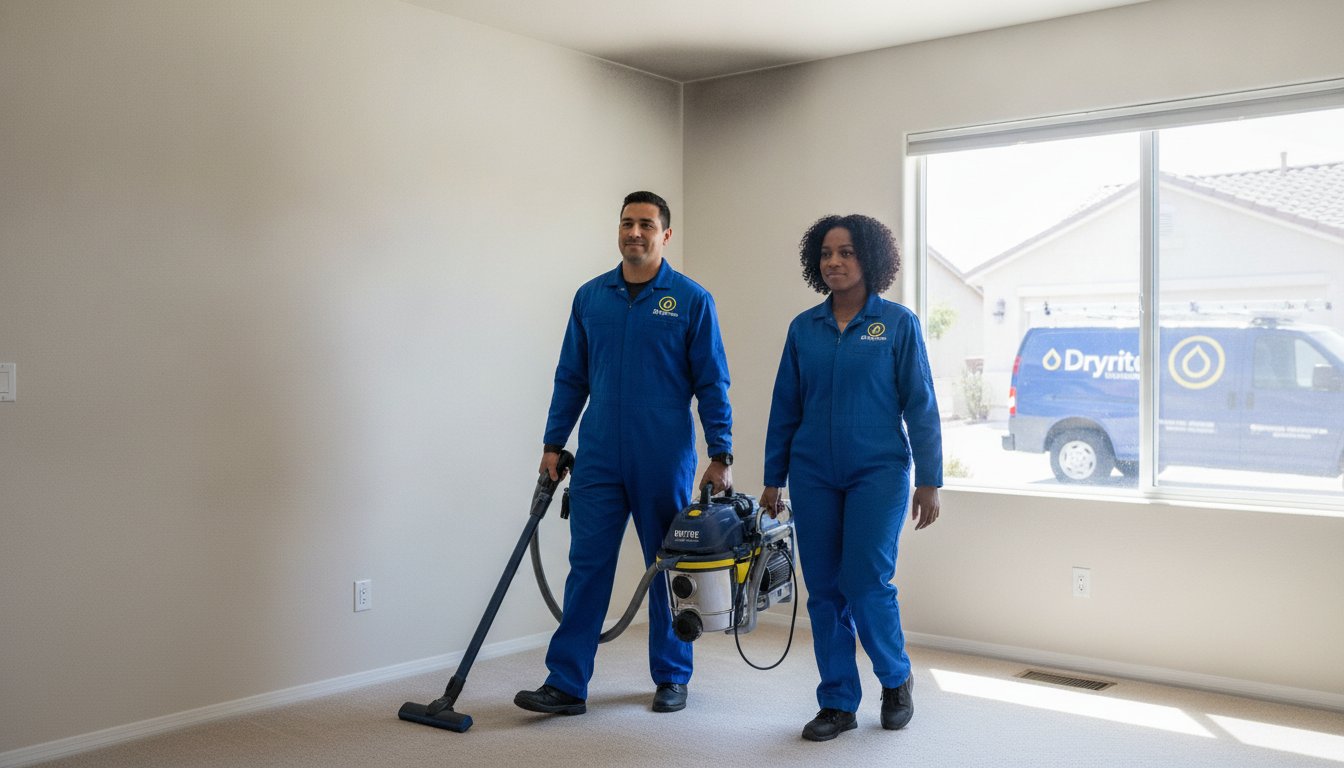
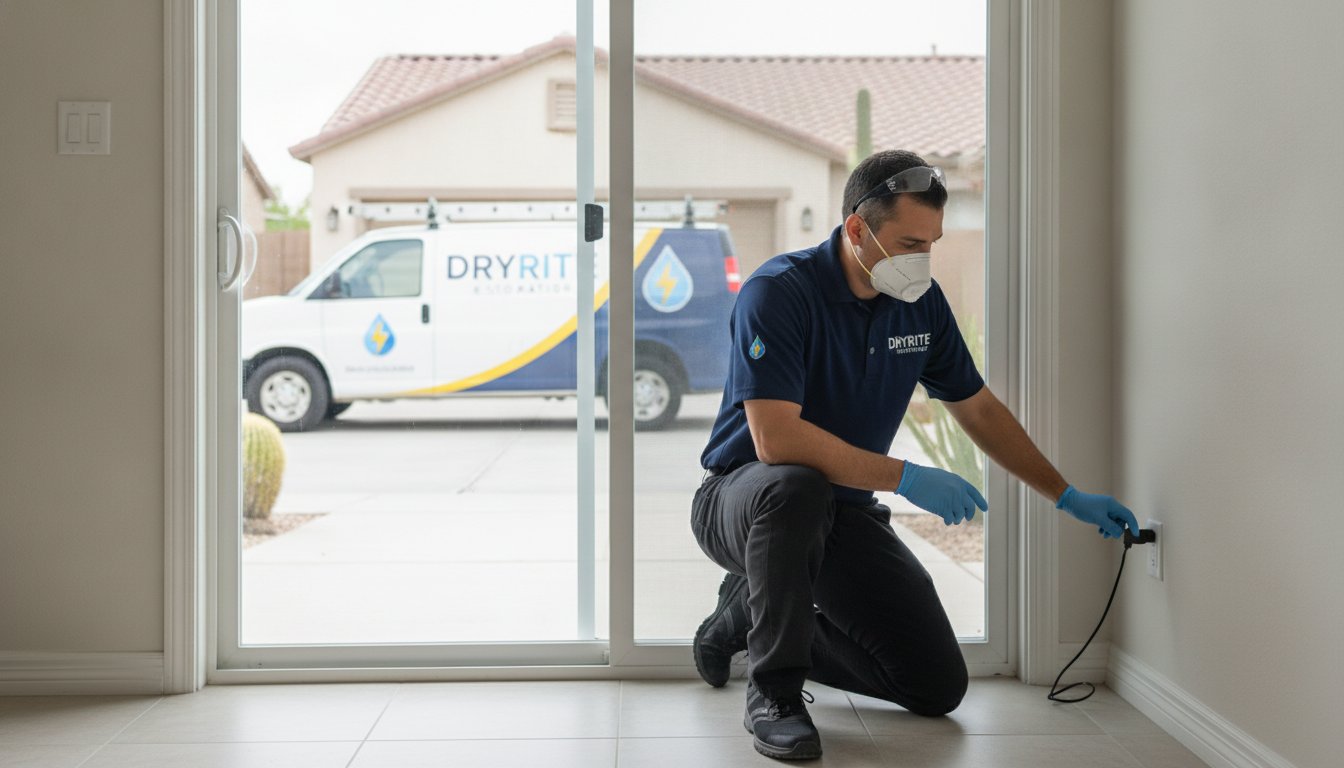
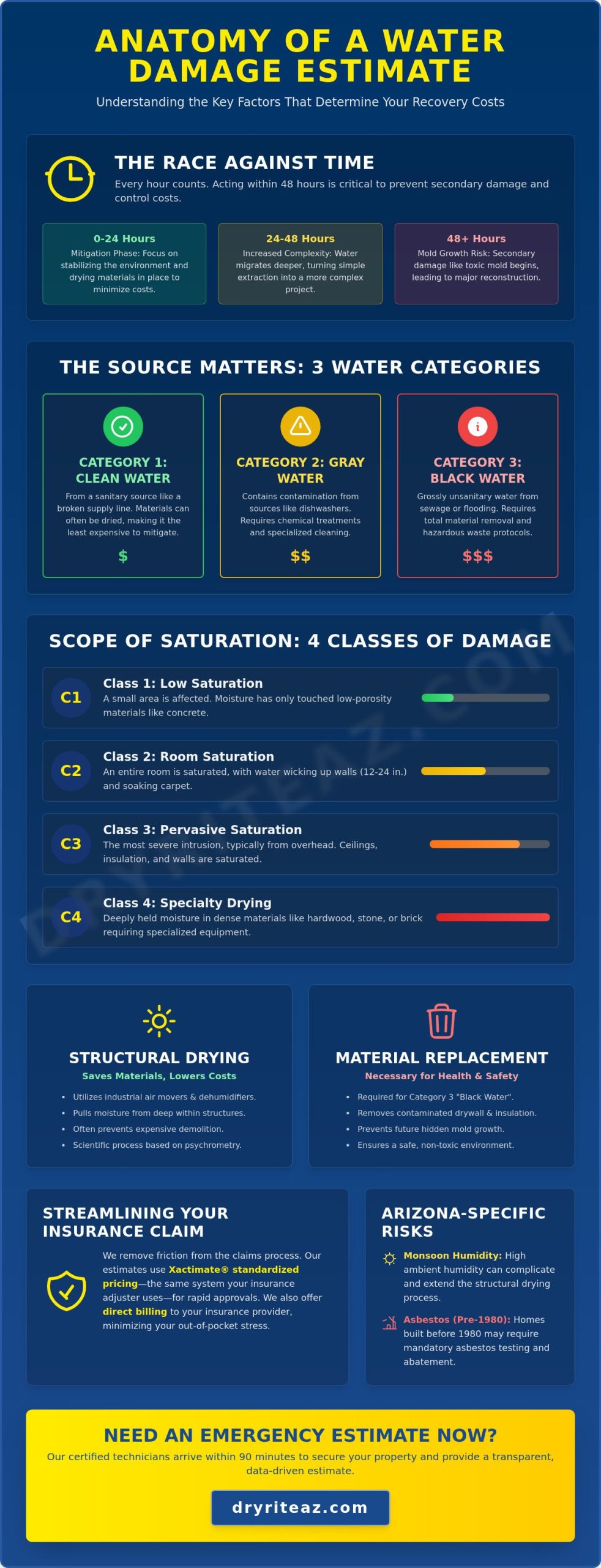
Every professional water damage restoration cost estimate begins with a race against the clock. Speed is your primary defense against escalating repair bills. When our team arrives within 90 minutes, we can often stabilize the environment and dry materials in place. If water sits for 24 hours, it migrates deep into porous structures, turning a simple extraction job into a complex reconstruction project. This rapid arrival isn’t just about service; it’s the most effective way to control the final price of your claim.
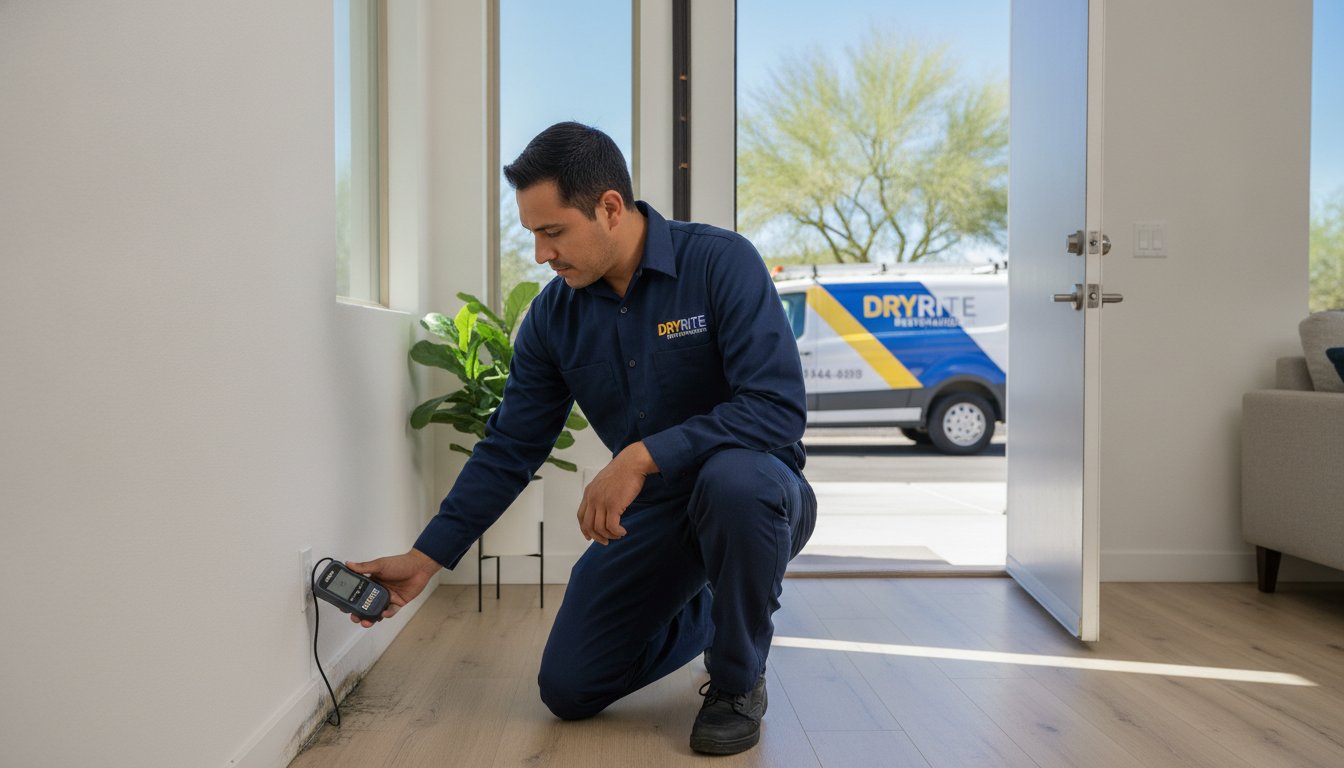
Estimators don’t just guess at the price. They calculate costs based on how much water is present and how dirty that water is. We measure square footage for flooring and linear footage for walls to determine exactly how many air movers and dehumidifiers the job requires. This data-driven approach ensures you only pay for the specific resources needed to return your home to pre-loss condition.
Understanding Water Categories and Their Price Impact
The type of water in your home dictates the safety protocols and cleaning agents required. These are defined by standard Water damage categories that tell us what can be saved and what must be discarded.
- Category 1 (Clean): Originates from a sanitary source like a broken supply line. It’s the least expensive to mitigate because materials can usually be dried rather than replaced.
- Category 2 (Gray): Contains significant contamination, such as discharge from a dishwasher or washing machine. This requires chemical treatments and specialized cleaning to prevent illness.
- Category 3 (Black): Grossly unsanitary water from sewage backups or outdoor flooding. This requires total material removal and high labor costs for hazardous waste handling.
Class of Damage: Measuring the Scope of Saturation
The “Class” refers to the evaporation rate needed based on how much of the room is wet. This determines the intensity of the equipment setup in your water damage restoration cost estimate.
- Class 1: Only a small area is affected. Moisture has only reached low-porosity materials like plywood or concrete.
- Class 2: An entire room is saturated. Water has wicked up the walls and soaked into carpets and cushions.
- Class 3: The most severe liquid intrusion. Water has come from overhead, saturating ceilings, insulation, and all four walls.
- Class 4: Deeply held moisture in specialty materials like hardwood, stone, or brick. This requires specialized “target drying” equipment and represents the highest cost tier.
Material-Specific Cost Breakdown: What You Are Paying For
The materials in your home react differently to moisture. A precise water damage restoration cost estimate accounts for these physical properties. We analyze whether it’s more cost-effective to save a structure through advanced drying or to remove it entirely. In many cases, saving the original material is the path to lower financial stress. This decision depends on the porosity of the material and the category of the water involved.
The Economics of Structural Drying
Professional structural drying services utilize industrial-grade equipment to pull moisture from deep within your walls. This process involves a combination of high-velocity air movers, LGR dehumidifiers, and HEPA scrubbers to maintain air quality. Technicians must perform daily equipment monitoring to adjust the setup based on moisture readings. Psychrometry, the study of air-vapor mixtures, allows us to manipulate temperature and humidity to force water out of materials faster than natural evaporation ever could. Understanding the complete water damage drying process helps homeowners set realistic expectations for how long equipment must run and why each scientific step is essential to preventing permanent structural damage. This scientific approach often prevents the need for expensive demolition and reconstruction.
Replacement Costs for Common Building Materials
Some materials can’t be saved regardless of the drying effort. If you’re dealing with “Black Water” or sewage, porous items like drywall and insulation must be removed to ensure safety. Standard industry practices often dictate replacing drywall in two-foot “flood cuts” to remove saturated insulation behind the board. Missing even a small patch of damp insulation can lead to a mold outbreak later. Identifying the signs of hidden water damage early prevents these costs from doubling during the reconstruction phase. Your water damage restoration cost estimate will reflect the labor needed for this precision demolition.
Flooring restoration costs vary significantly based on the material. Carpet and cushion are often restorable if the water is clean. However, hardwood flooring requires specialized drying mats to extract moisture from the grain. This is a high-stakes process. If the wood begins to cup or crown, replacement costs will far exceed the price of drying. Understanding your homeowners insurance for water damage is vital here, as coverage limits often dictate how aggressively we can pursue restoration over replacement. If you need immediate assistance with your property, contact our team for a professional assessment.
Hidden Costs: Mold Remediation and Asbestos Hazards
Timing is the most critical factor in controlling your final bill. A standard water damage restoration cost estimate assumes we can begin work within the first 24 to 48 hours. Once you cross the 48-hour threshold, the project often shifts from simple water extraction to complex decontamination. This is the biological clock of property damage. If moisture remains trapped, mold spores begin to colonize, and the scope of work expands exponentially.
Arizona homeowners face a unique “mold bomb” risk during the monsoon season, which runs from June 15 to September 30. While our desert air is usually dry, the high humidity during these months prevents natural evaporation. Moisture trapped behind baseboards or inside wall cavities creates a greenhouse effect. This environment allows mold to thrive in total darkness, often remaining invisible until the structural damage is already severe.
When Water Damage Becomes a Mold Project
The transition to professional mold remediation adds significant layers to your estimate. Unlike clean water drying, mold requires physical containment barriers and HEPA air filtration to prevent spores from spreading to unaffected rooms. We must also apply industrial antimicrobial treatments to every surface to kill residual fungi. This is a non-negotiable step for Category 2 and Category 3 losses. The Insurance Information Institute guide on water damage highlights how coverage can become restricted if mold is allowed to grow due to owner neglect, making immediate action vital for your claim’s success.
Asbestos Abatement and Legal Compliance
State and federal regulations in Arizona require asbestos testing before any demolition occurs in homes built before 1980. This isn’t just a safety recommendation; it’s a legal mandate. Many newer homes also contain asbestos in floor tiles or joint compounds. If we must remove drywall or flooring to reach trapped water, we first collect samples for lab analysis. Attempting a “DIY” demolition without testing can lead to massive fines and release toxic fibers into your family’s breathing zone.
- Containment setup: Specialized plastic sheeting and negative air pressure machines.
- Personal Protective Equipment (PPE): Technicians must wear full suits and respirators.
- Disposal fees: Hazardous materials require specific transport and landfill protocols.
Don’t let a hidden hazard compromise your health or your wallet. If you suspect your property has lingering moisture or older building materials, request a professional inspection today to ensure your recovery stays on track.
Navigating Insurance and Securing a Final Estimate
Securing an accurate water damage restoration cost estimate requires more than a tape measure; it requires the right technology. We use Xactimate, the same industry-standard software utilized by major insurance adjusters to calculate pricing. This ensures every line item in your estimate matches the current market rates for labor and materials in the Phoenix and Mesa areas. By using the same language as your insurance carrier, Dryrite Restoration eliminates the friction that often delays claim approval and funding.
Our team provides a comprehensive “Loss Assessment” that acts as a bridge between you and your adjuster. We document every moisture reading, equipment placement, and material removal with photographic evidence. This transparency protects you from “price gouging” and ensures your insurance company has the data they need to approve the full scope of work. You shouldn’t have to navigate this administrative burden alone while your home is in turmoil.
How to Read an Xactimate Estimate
Xactimate estimates can look like a foreign language at first glance. Each task is assigned a specific code that tells the adjuster exactly what work was performed. For example, “WTR DRY” refers to structural drying and daily equipment monitoring, while “CLN” indicates professional decontamination. These codes ensure that the pricing is standardized across the industry. If you encounter a difficult adjuster who disputes these standard rates, seeking water damage insurance claim help is essential to ensure your property is restored correctly without cutting corners.
The Dryrite Restoration Advantage: From Crisis to Calm
Choosing a local partner with over 20 years of Mesa-specific experience makes a difference in the outcome of your claim. We understand the local building codes and the specific environmental challenges of the East Valley. Our 90-minute response time in Mesa and Gilbert is a calculated strategy to keep Category 1 clean water claims from escalating into expensive Category 3 losses. Dryrite Restoration manages every aspect of the project internally to avoid communication gaps and third-party complications.
- Direct Insurance Billing: We bill your carrier directly so you don’t have to pay the full estimate out-of-pocket.
- 2-Year Warranty: Our mitigation work comes with a 2-year warranty, providing peace of mind that “cheap” competitors cannot match.
- Standardized Pricing: Xactimate ensures your estimate is fair, transparent, and defensible to your insurance company.
Just as a calculated strategy is vital for property recovery, businesses looking to enhance their market presence often turn to Ziqsy Partners for high-impact results through specialized strategy and sales execution sprints.
Don’t let a property disaster steal your peace of mind. Our team acts as a stabilizing force to bring order to your home and your insurance claim. Get a professional water damage estimate now and start your path back to pre-loss condition today.
Restore Your Peace of Mind Today
Property damage doesn’t have to mean long-term financial stress or structural failure. By acting within the first 48 hours, you can prevent secondary mold growth and keep your restoration scope manageable. Understanding the categories and classes of damage allows you to verify that your water damage restoration cost estimate is accurate and fair. We use Xactimate certified pricing to ensure your insurance claim is handled with professional transparency and speed.
The 90 minute on site arrival guarantee from Dryrite Restoration stops damage before it escalates. We provide direct insurance billing to handle the paperwork for you; this is all backed by a 2 year warranty on all mitigation work. This stabilized approach brings order to the chaos of a property emergency. Contact Dryrite Restoration for a 24/7 Emergency Inspection and Estimate. You’ve taken the first step by educating yourself on the recovery process. Now, let the experienced protectors handle the physical work. We’re ready to return your home to its pre-loss condition and restore your comfort.
Frequently Asked Questions
Will my homeowners insurance cover the full cost of water damage restoration?
Standard policies typically cover sudden and accidental water damage; however, they generally exclude damage from floods, groundwater seepage, and slow leaks that occur over time. Most Arizona policies contain a “suit-against-us” clause that limits your time to file to just one year. We coordinate directly with your adjuster to ensure every line item in your water damage restoration cost estimate is documented for maximum coverage. This transparency lowers your stress and ensures your claim follows industry standards.
How much does the average water damage restoration cost in Phoenix?
Restoration costs in the Phoenix area vary widely based on the category of water and the class of damage. Clean water extraction is significantly less expensive than sewage cleanup due to the reduced need for material removal and hazardous waste disposal. Factors such as square footage, the type of flooring involved, and the presence of hidden moisture behind walls dictate the final bill. We provide a detailed breakdown using Xactimate to ensure pricing follows current regional standards.
Can I save money by doing the water extraction myself?
Attempting DIY extraction often leads to higher costs later because household vacuums cannot pull moisture from deep within subfloors or wall cavities. Professional-grade LGR dehumidifiers and high-velocity air movers are necessary to prevent mold growth, which can begin within 24 to 48 hours. If moisture remains trapped, you risk structural failure and toxic mold colonization. Professional mitigation creates a documented trail that insurance companies require to approve your claim and protect your property value.
How long does it take for a restoration company to provide a final estimate?
You will receive an initial assessment immediately upon our arrival to stabilize the property and stop the damage from spreading. A detailed, final water damage restoration cost estimate usually takes 24 to 48 hours to finalize after we complete the initial moisture mapping. This timeline allows our technicians to identify hidden saturation points and determine which materials are restorable. This thorough approach ensures the estimate we submit to your insurance carrier is accurate and defensible.
What happens if the restoration cost exceeds my insurance policy limit?
If the total restoration cost exceeds your policy limits, you are responsible for the remaining balance. This often happens when delayed action allows a simple clean water leak to evolve into a complex mold remediation project. We prioritize cost-effective structural drying over expensive demolition whenever possible to keep the project within your coverage limits. Our team works closely with you to prioritize essential repairs and manage the project budget effectively while ensuring the home is safe.
Why is a mold inspection often included in a water damage estimate?
Mold inspections are a standard safety protocol because moisture trapped in dark, warm spaces creates an ideal breeding ground for fungi. In Arizona, monsoon humidity can turn a wet wall into a mold hazard in less than two days. Including an inspection ensures that we don’t leave hidden spores behind that could cause health issues or structural rot later. Following IICRC S520 standards for professional remediation protects both your family’s health and your home’s long-term market value.