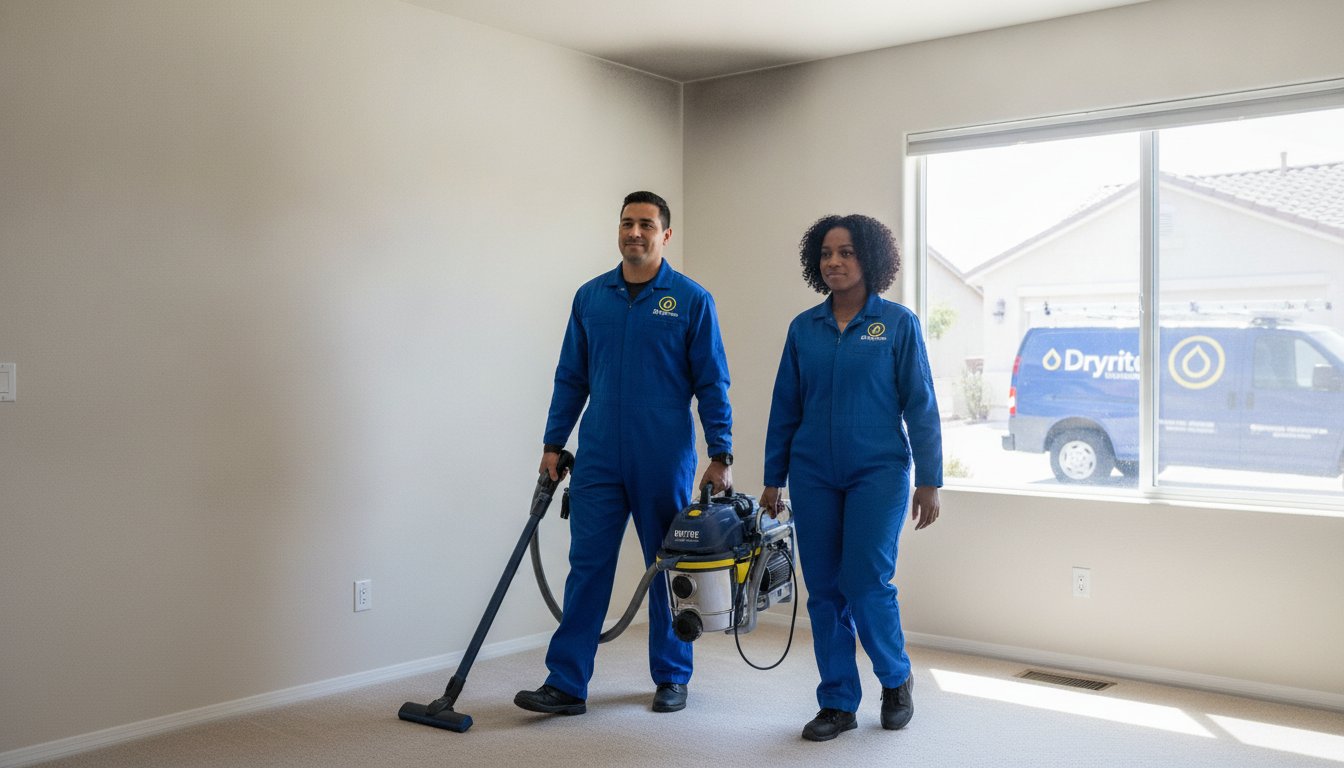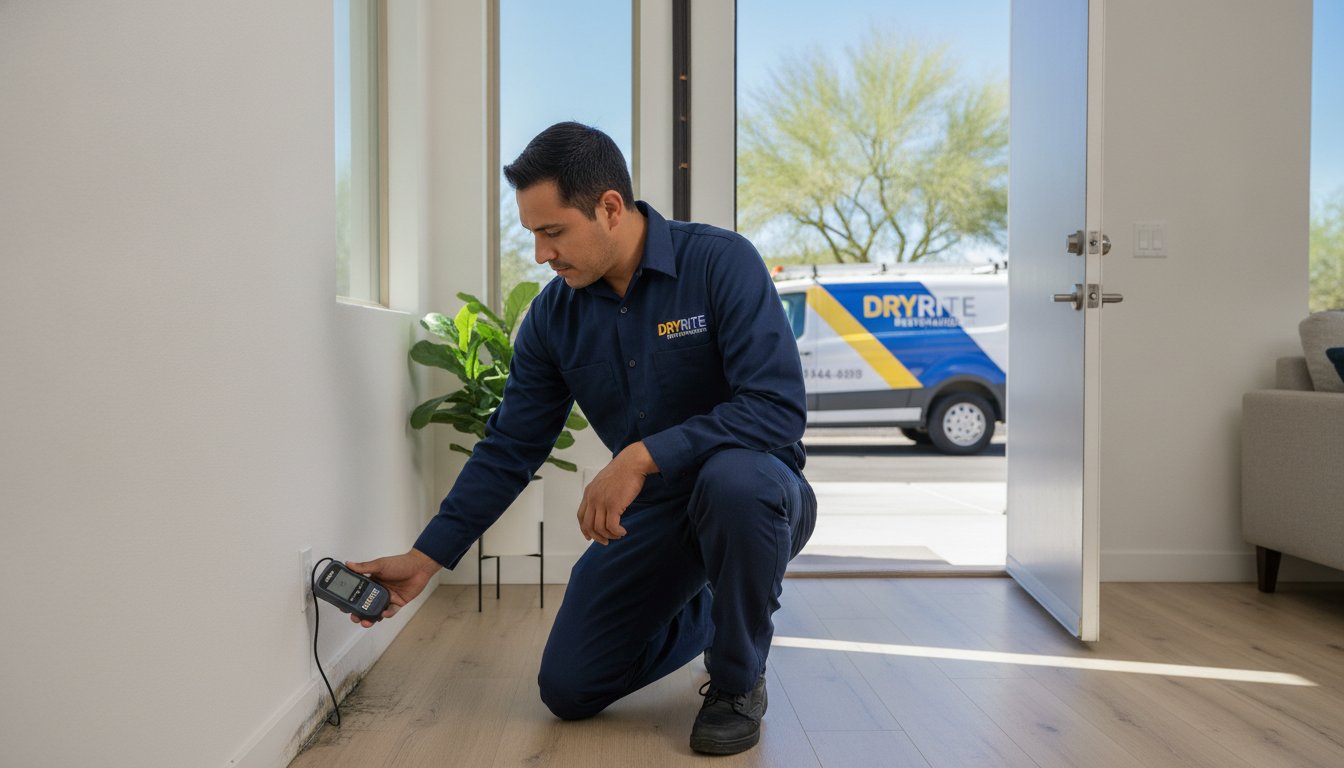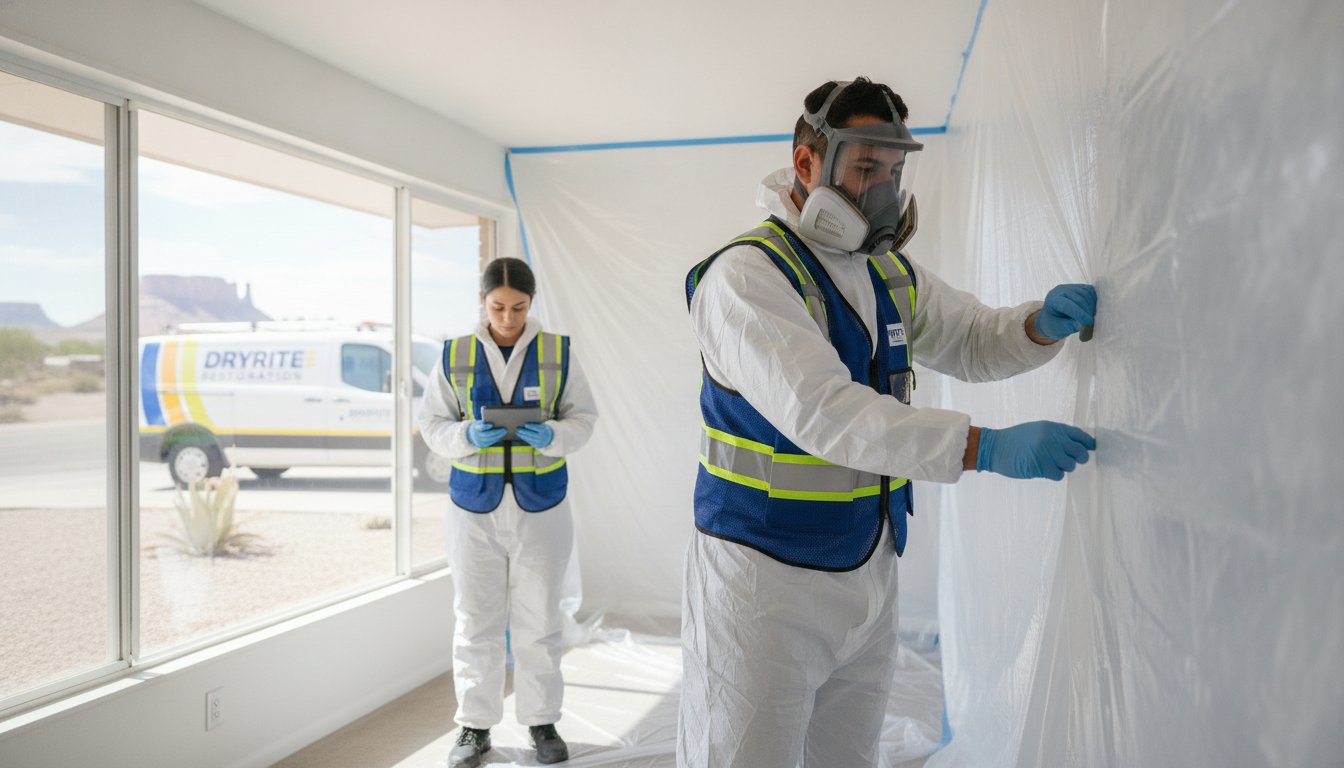
Could a simple home renovation trigger a federal investigation and thousands of dollars in unexpected county fees? In 2026, the line between a standard remodel and a regulated hazardous material site is thinner than ever. Understanding the asbestos removal regulations Arizona authorities enforce is the only way to protect your family’s health and your budget from the heavy hand of the MCAQD or ADEQ. It’s stressful to manage a property when every wall you open might hide a hidden danger, and the conflicting rules for Maricopa, Pima, and Pinal counties often feel designed to confuse you.
We’re here to act as your stabilizing force and bring order to the chaos. This guide will show you exactly how to navigate these complex laws with confidence and ensure your project stays fully compliant. You’ll learn how to identify the specific NESHAP triggers, such as the 160-square-foot threshold, and understand when the residential exemption for four or fewer units actually applies. We’ve provided a step-by-step compliance checklist and advice on finding a licensed contractor who manages the heavy paperwork for you. Let’s move your project from a state of uncertainty to a state of action.
Key Takeaways
- Understand how the EPA, ADEQ, and County Air Quality departments collaborate to enforce asbestos removal regulations arizona homeowners must follow.
- Schedule an AHERA-certified inspection before starting any work; Arizona law requires a professional survey for every regulated renovation or demolition project.
- Observe the mandatory 10-business day notification period to avoid heavy fines and project delays from state and county regulators.
- Avoid the “Commercial Use” trap by verifying if your home office or past business activity triggers stricter industrial compliance standards.
- Ensure long-term safety by hiring licensed abatement specialists who provide third-party clearance testing to prove your property is hazard-free.
Understanding Arizona’s Asbestos Legal Landscape
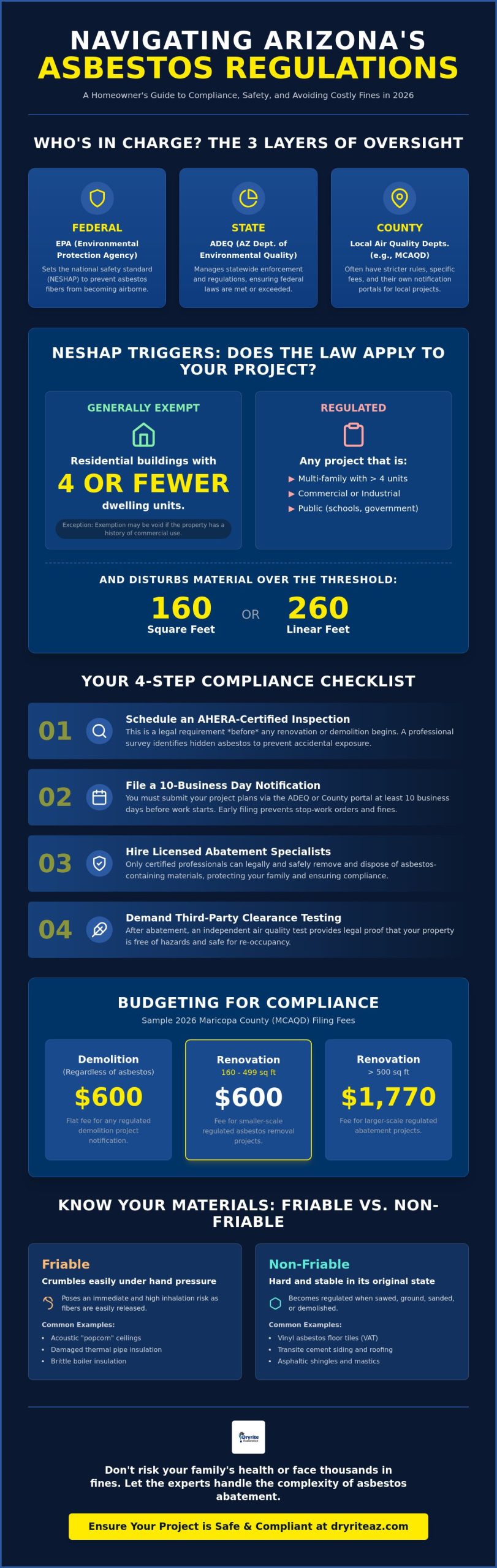
Asbestos isn’t just a construction nuisance; it’s a strictly regulated hazardous material under Arizona law. Because microscopic fibers cause severe respiratory disease, state and federal agencies track its handling with extreme precision. To stay compliant, you must understand the three pillars of oversight: the federal EPA, the Arizona Department of Environmental Quality (ADEQ), and your specific County Air Quality department. These agencies enforce the National Emission Standards for Hazardous Air Pollutants (NESHAP). This federal standard aims to prevent dangerous fibers from entering the air we breathe during property disturbances.
The law categorizes materials based on how easily they release fibers into your environment. Friable asbestos crumbles under simple hand pressure, posing an immediate inhalation risk to your family or tenants. Non-friable materials are harder and more stable, but they become regulated the moment you saw, grind, or demolish them. Navigating the asbestos removal regulations Arizona requires is simpler when you know which agency has the final word on your property. Understanding this asbestos legal landscape is your first step toward a safe, legal renovation.
Federal vs. State: Who Controls Asbestos in Arizona?
The Arizona Department of Environmental Quality (ADEQ) manages statewide enforcement, but local control is often stricter. In Maricopa County (MCAQD) and Pinal County (PCAQD), authority is delegated to local air quality departments. These counties have their own specific fee structures and online notification portals. While federal EPA laws provide a baseline floor for safety, Arizona’s local regulations often provide the ceiling. They demand more rigorous reporting to protect the community’s health.
The NESHAP Standard: Does It Apply to Your Project?
NESHAP is the federal safety standard designed to eliminate asbestos emissions during the demolition or renovation of regulated structures. For homeowners, the 4-unit rule is the most critical distinction to remember. If your building contains four or fewer dwelling units, it’s generally exempt from NESHAP unless it has a history of commercial use. However, any multi-family housing with more than four units, or any commercial, industrial, or public building in Arizona, must meet full NESHAP requirements. This includes mandatory inspections and specific notification timelines before you even touch a hammer.
Mandatory Compliance for Arizona Renovations and Demolitions
Stop before you swing that hammer. Every regulated project in the Grand Canyon State starts with a mandatory AHERA-certified survey. This isn’t just a recommendation; it’s a legal shield for your property. Professional inspectors identify hidden dangers before they become airborne crises. If your project disturbs more than 160 square feet or 260 linear feet of material, you’ve hit the NESHAP threshold. Staying within the asbestos removal regulations Arizona mandates means filing your paperwork long before the first wall comes down.
Budgeting for compliance is essential for a smooth project. In 2026, Maricopa County charges a flat $600 fee for demolition notifications, regardless of asbestos presence. Renovation fees are tiered based on the volume of material. Removing between 160 and 499 square feet costs $600 in filing fees, while larger projects over 500 square feet jump to $1,770. These administrative costs are a small price to pay compared to the massive fines ADEQ issues for unpermitted work. We handle the technical details so you can focus on your property’s future.
The 10-Day Notification Rule and the AQD Portal
Regulators need a two-week head start to review your safety plan. You must file via the MCAQD or ADEQ online portals at least 10 business days before work begins. Jumping the gun leads to immediate stop-work orders and significant legal penalties. Emergency exceptions only apply to sudden, unforeseen events like a major pipe burst or structural failure. If you’re facing a property crisis, our team can help you navigate asbestos removal and handle the urgent documentation required to restore your peace of mind.
Regulated Asbestos-Containing Materials (RACM) Explained
Legal compliance centers on Regulated Asbestos-Containing Material (RACM). This includes friable materials or non-friable items that will likely crumble during demolition. Common culprits in Arizona homes include acoustic popcorn ceilings, vintage floor tiles, and brittle transite siding. Following Maricopa County asbestos requirements means using “wet methods” during removal. This process involves saturating materials with amended water to trap fibers. It ensures they never reach your lungs or the surrounding neighborhood. We bring order to this chaotic process with disciplined, proven safety protocols.
Residential Exemptions and Homeowner Responsibilities
Don’t assume your private residence is a law-free zone. While federal NESHAP standards generally exclude residential buildings with four or fewer units, the asbestos removal regulations Arizona enforces contain critical fine print. If your home has ever functioned as a commercial space, a licensed daycare, or a registered business office, you likely lose that exemption. Regulators view these properties as commercial entities. This “commercial use” trap can lead to massive fines if you proceed without a professional survey and proper notification.
Hiring a crew of independent contractors doesn’t bypass safety laws either. OSHA requirements still apply to any worker on your property. You are legally and ethically responsible for providing a safe environment for anyone you hire. This is why asbestos removal in old homes requires professional testing regardless of your building’s size. Protecting your family and your liability starts with knowing exactly what is behind your drywall before the first cut is made.
Exemptions: Myths vs. Reality
Many believe that doing the work themselves means the law doesn’t care. That is a dangerous myth. While you might avoid a NESHAP notification for a small single-family project, Arizona landfill regulations for asbestos disposal are universal. You cannot simply throw hazardous material in your regular trash or take it to a standard dump. Furthermore, if your home is part of a larger neighborhood development or a coordinated urban renewal project, the exemption is voided. The state views the entire project as a single regulated entity.
The Legal and Physical Risks of DIY Removal
The lack of a “safe exposure” level makes DIY removal a gamble with your life. One mistake can contaminate an entire Mesa home; this turns a simple remodel into a toxic crisis that is incredibly expensive to fix. County inspectors can and do issue “Stop Work Orders” if they detect dust crossing property lines. Beyond the health risks, DIY work often voids homeowner insurance policies. If you contaminate your property through uncertified work, your insurer may deny the subsequent cleanup claim. We provide the expert handling needed to keep your home safe and your insurance intact. If you suspect hazardous materials, contact our specialists for professional asbestos removal today.
Professional Abatement: Ensuring Legal and Structural Safety
Hiring a licensed specialist is your only path to total compliance. While the asbestos removal regulations Arizona enforces are strict, they exist to protect your long-term health and property value. Look for contractors with AHERA certifications; this ensures they’ve mastered the rigorous federal and state safety protocols. A critical part of this process is third-party clearance testing. We insist on independent lab analysis after every project to provide unbiased proof that your air is clean. This documentation is your final shield against future liability or health concerns.
Professional abatement is often the catalyst for a successful water damage insurance claim help Arizona residents frequently need. When a pipe bursts in an older home, asbestos is often disturbed. We manage the entire administrative burden for you, from filing ADEQ notifications to coordinating with MCAQD inspectors. Our team bridges the gap between technical recovery and administrative approval. We bring order to your crisis so you can focus on getting your life back to normal.
Vetting Your Arizona Asbestos Contractor
Protect your investment by verifying every credential. Always check the contractor’s license through the Arizona Registrar of Contractors (ROC) to ensure they’re in good standing. Demand a Waste Shipment Record (WSR) upon project completion. This document is your legal proof of proper hazardous waste disposal. Local expertise in the Phoenix Metropolitan Area is vital; it means faster permitting and an intimate knowledge of specific county air quality nuances. Don’t settle for a generalist when your safety is on the line.
The Dryrite Restoration Compliance Guarantee
We act as a stabilizing force from the moment you call. Our team provides a 90-minute response time for initial hazardous material assessments across the Valley. We work directly with your insurance carrier to ensure the asbestos removal cost per square foot is documented with the precision adjusters require. Every project concludes with a final walkthrough and formal clearance. We don’t just remove a hazard; we restore the emotional well-being that comes with a safe, compliant home.
Secure Your Property and Your Peace of Mind
Don’t let a renovation project turn into a legal or medical disaster. You now understand that the asbestos removal regulations Arizona enforces are strict for a reason; they protect your lungs and your liability. Whether you’re navigating the 160-square-foot NESHAP threshold or verifying if a past home office voids your residential exemption, knowledge is your best defense. Every successful project starts with a certified survey and ends with clear, documented compliance that keeps the regulators satisfied.
We bring order to these complex requirements with calm competence. As a licensed and insured partner, Dryrite Restoration provides AHERA-certified technicians and a 24/7 emergency response for Mesa and Phoenix residents. We handle the technical paperwork and the physical cleanup so you don’t have to. Our team ensures every fiber is contained and every disposal record is filed correctly. Ensure your project is 100% compliant; contact Dryrite Restoration for a certified asbestos assessment today.
You’ve got the tools to move forward with confidence. We’re here to ensure your home remains a sanctuary, not a hazard. Let’s get your property back to a state of safety and tranquility.
Frequently Asked Questions
Is a permit required for asbestos removal in Arizona?
Yes. A NESHAP notification functions as the primary regulatory permit for most renovation or demolition projects in the state. In counties like Maricopa, you must submit this paperwork and pay the required filing fees before any work begins. These fees currently range from $600 to $1,770 depending on the volume of material being disturbed. Failure to secure this approval before touching hazardous materials can lead to immediate stop-work orders and legal action.
Can a homeowner remove asbestos themselves in Phoenix?
Technically yes, but it’s extremely dangerous and legally complex. While the NESHAP asbestos removal regulations Arizona follows generally exempt single-family residences with four or fewer units, you are still bound by strict state disposal laws. You cannot throw asbestos in your regular trash or a standard dumpster. Most homeowners lack the specialized HEPA filtration and personal protective equipment required to prevent contaminating their entire property with microscopic fibers during a DIY project.
How much asbestos can be removed without a NESHAP notification?
You can remove up to 160 square feet of regulated material without a federal NESHAP notification. This limit also applies to 260 linear feet for pipes or 35 cubic feet of debris. However, even if your project falls below these thresholds, you must still conduct a professional AHERA survey to identify the material first. Many local landfill regulations apply regardless of the project’s size, requiring specific packaging and labeling for all asbestos-containing waste.
What are the penalties for violating asbestos regulations in Arizona?
Penalties for non-compliance are severe and often reach thousands of dollars per day of violation. The ADEQ and MCAQD have the authority to issue heavy civil penalties for failing to notify the state or for improper handling of hazardous materials. Beyond government fines, you face the risk of civil lawsuits from neighbors or workers exposed to dust. Insurance companies also frequently deny claims for property damage caused by uncertified, illegal asbestos disturbances.
How long does the asbestos notification process take in Maricopa County?
The mandatory notification period is 10 business days. This two-week lead time is non-negotiable for all regulated projects in Maricopa County. Regulators use this window to review your safety plan and ensure your abatement contractor is properly licensed. You cannot begin any demolition or renovation work until this period has expired. Planning ahead is the only way to avoid costly delays in your construction schedule and stay within the asbestos removal regulations Arizona mandates.
Where can I legally dispose of asbestos-containing materials in Arizona?
Asbestos must be taken to a landfill specifically permitted by the state to accept hazardous waste. You cannot use standard municipal dumps or residential trash services for these materials. Facilities like the Butterfield Station Landfill or the SRPMIC Salt River Landfill are common options, but they require waste to be double-bagged, wetted, and clearly labeled. Always secure a Waste Shipment Record (WSR) from the facility to prove your project followed all legal disposal requirements.