
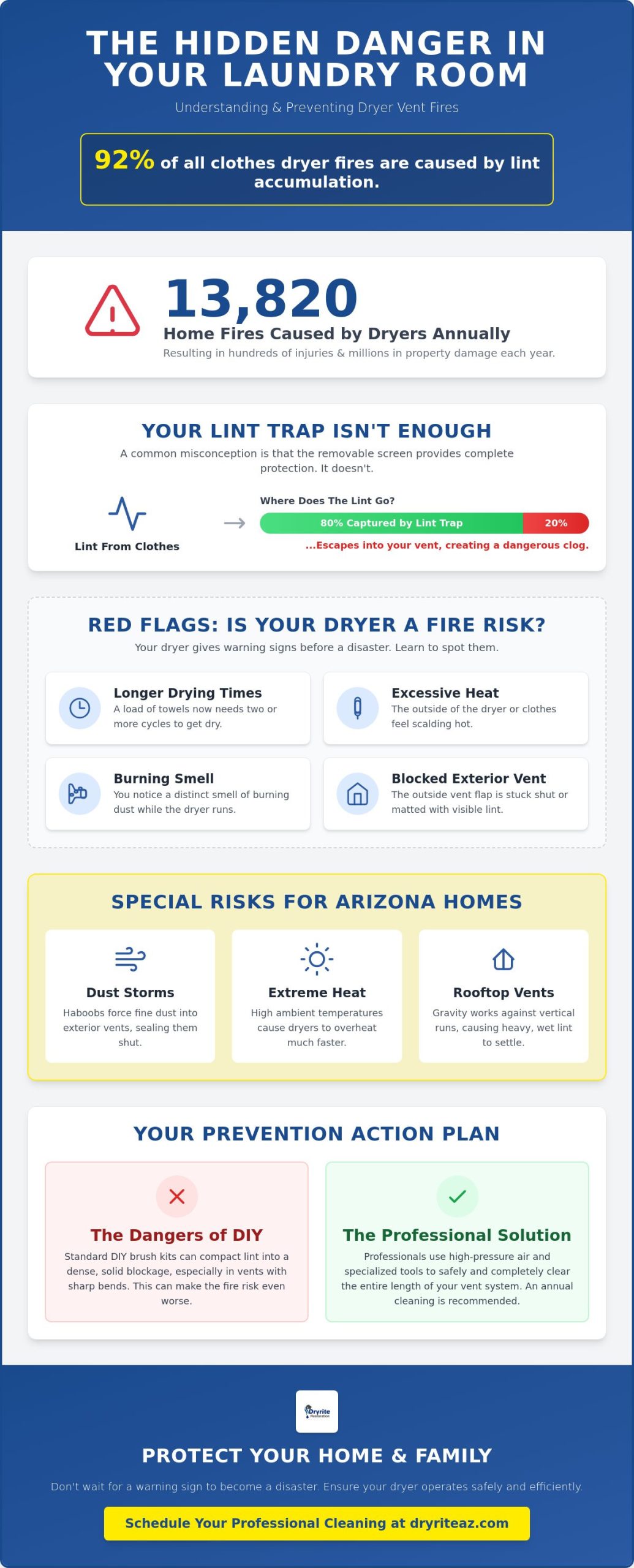
Did you know that lint accumulation is responsible for 92 percent of all dryer fires? Every year, an estimated 13,820 home structure fires involve clothes dryers, resulting in hundreds of injuries and millions in property damage. It is a high-stakes risk hiding behind your laundry room wall. Mastering dryer vent fire prevention is no longer just about cleaning a lint trap. It is a critical battle against airflow restriction that keeps your home standing and your family safe.
You likely worry about your family’s security while the dryer runs, especially if you’ve noticed clothes taking longer to dry or a faint burning smell. It is frustrating to deal with conflicting advice on ducting materials or complex building codes. We understand that your peace of mind depends on clear, authoritative action. This guide eliminates the confusion by providing the essential maintenance facts you need for 2026. We are here to help you move from a state of concern to a state of complete home protection.
We will walk you through the latest International Residential Code requirements for rigid metal ducting and the new WUI-compliant standards for high-risk zones. You will learn how to spot the warning signs of a dangerous clog and how to distinguish between simple DIY tasks and professional maintenance needs. Let’s replace that lingering anxiety with a solid plan for a safer, more efficient home.
Key Takeaways
- Recognize that your lint trap only captures 80 percent of fibers, leaving the rest to accumulate in ductwork and create a serious fire hazard.
- Master the “Touch Test” to identify excessive heat levels on your machine and clothing before restricted airflow leads to ignition.
- Establish a tiered maintenance schedule for effective dryer vent fire prevention that balances daily habits with annual deep cleaning.
- Learn why standard DIY brush kits can accidentally compact clogs and when to seek professional high-pressure extraction for long or complex vent runs.
The Physics of Danger: Why Dryer Vent Fire Prevention Matters
Airflow is the lifeblood of your laundry system. When your dryer cannot exhaust hot, moist air effectively, it creates a dangerous chain reaction inside your walls. A dryer fire occurs when restricted airflow causes internal temperatures to spike, eventually reaching the ignition point of the accumulated lint. Understanding how clothes dryers work is essential to recognizing this threat. The machine is designed to move a specific volume of air; when that path is narrowed by debris, the system enters a state of mechanical distress.
Many homeowners believe the removable mesh screen provides complete protection. This is a dangerous misconception. The lint trap only captures about 70 to 80 percent of fibers. The remaining 20 to 30 percent bypasses the screen and settles deep within your internal ductwork. Over time, this creates a “Heat Trap” effect. Backpressure forces the dryer to run significantly hotter than its safety specifications intended, turning your appliance into a pressurized furnace. Effective dryer vent fire prevention is the systematic removal of flammable debris and the maintenance of unobstructed airflow.
The Role of Lint as a High-Efficiency Fuel
Lint is a perfect fuel source for an accidental fire. It has a high surface-area-to-volume ratio, meaning it catches fire almost instantly when exposed to high heat. Think of the fine tinder you use to start a campfire; dryer lint is nearly identical in its volatility. Modern clothing adds another layer of risk. Synthetic fibers like polyester and nylon act like solid fuel or plastic. When these fibers ignite, they burn hotter and create stickier, more resilient clogs that are difficult to remove with basic tools.
Arizona Specifics: Dust, Heat, and Venting
In the Phoenix and Mesa areas, environmental factors significantly increase your risk level. Dust storms, or haboobs, frequently force fine particulate matter into exterior vent flaps, causing them to stick or seal shut. This external blockage prevents the dryer from breathing. Additionally, Mesa’s extreme summer temperatures impact the cooling cycles of your appliance. When the ambient air is already 110 degrees, your dryer has no “cool” air to pull from, making internal overheating happen much faster. Many Arizona subdivisions utilize rooftop venting. These vertical runs are especially prone to clogs because gravity works against the exhaust, causing heavy, wet lint to fall back down and settle in the elbows of the pipe.
Identifying the Red Flags: Warning Signs of a Clogged Vent
Your dryer is trying to tell you something. Listen to it before a minor inconvenience turns into a household crisis. The most common indicator of a dangerous blockage is a sudden increase in drying time. If a single load of towels now requires two cycles to dry, your airflow is restricted. This correlation is direct. As the vent clogs, the machine works harder and runs hotter. This is the primary stage of a fire hazard. While many modern machines include airflow sensors, they are not foolproof safety devices. They often trigger only when the blockage is nearly absolute. Consistent dryer vent fire prevention requires you to look beyond the digital display.
The “Hot-to-the-Touch” Diagnostic
Pay attention to the physical temperature of your laundry. Clothes should feel warm, not scalding or damp, at the end of a cycle. If the exterior of the machine feels hot to the touch or you notice a distinct smell of burning dust, stop the cycle immediately. This odor is often the scent of lint fibers beginning to singe. According to the CPSC dryer fire safety alert, these are critical warnings that your heating element is nearing a failure point. If you find yourself in a situation where a safety incident has led to property issues, professional water damage restoration can help manage the aftermath of fire suppression efforts.
Visual and External Inspections
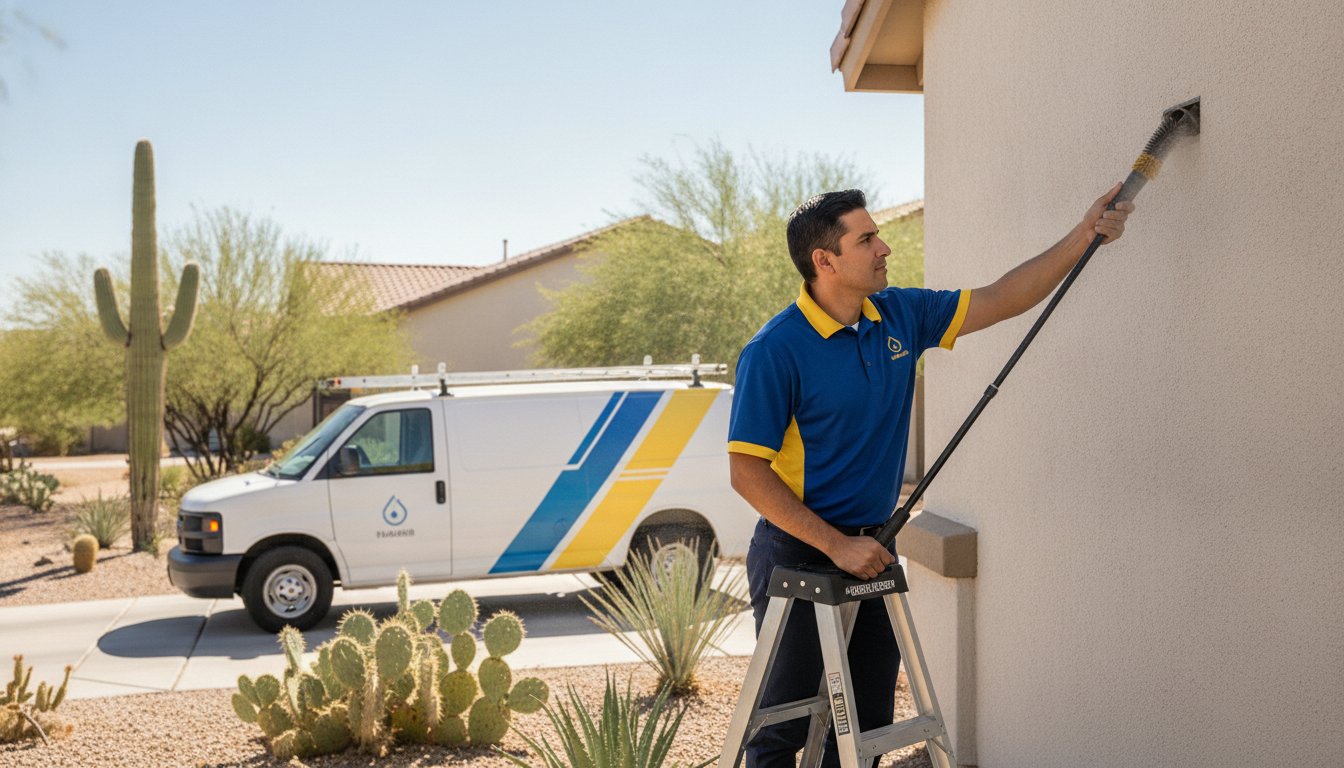
Walk outside while the dryer is running. Your exterior vent flap should be open and blowing air strongly. If it is barely moving or matted with lint, the blockage is severe. Check the area around the vent hood for debris. Lint should never be visible on your siding or landscaping. Finally, pull the machine forward. Transition ducts made of flexible foil are easily crushed against the wall. A kinked duct is just as dangerous as a clogged one because it creates an immediate bottleneck for heat. Proactive dryer vent fire prevention starts with these simple, five-minute visual checks.
Your 5-Step Dryer Vent Fire Prevention Routine
Establishing a consistent maintenance schedule is the most effective way to protect your property. While you may have learned the warning signs in the previous section, immediate action is what stops a disaster. Follow this 5-step routine to maintain peak safety. A proactive approach to dryer vent fire prevention keeps your appliance efficient and your family secure.
Step-by-Step DIY Maintenance
- Step 1: The Lint Trap Housing. Cleaning the screen is a daily requirement, but it isn’t enough. Once a month, use a narrow vacuum attachment to reach deep into the housing where the screen sits. This area often collects heavy clumps that the screen misses.
- Step 2: Transition Duct Inspection. Look behind your machine. If you see a flexible plastic or foil accordion pipe, replace it immediately. These materials are highly flammable and prone to kinking. Transitioning to rigid metal ducting aligns with current UL safety standards for dryers and significantly reduces risk.
- Step 3: Interior Drum Cleaning. Dryer sheets leave a waxy residue on the drum and moisture sensors. Every six months, wipe the interior with a soft cloth and rubbing alcohol. This prevents lint from sticking to the drum surface and ensures your sensors function correctly.
Exterior and System-Wide Care
- Step 4: Exterior Vent Hood Cleaning. Go outside. Ensure the vent flap moves freely when the machine is running. If it’s stuck, heat cannot escape. Clear away any bird nests or spider webs that might obstruct the opening.
- Step 5: Professional Inspection. Even the most diligent DIY cleaning cannot reach every corner of your ventilation system. A clogged dryer vent cleaning service is the only way to reach vertical or long-run ductwork that snakes through walls or ceilings. Professionals use industrial-grade vacuums and high-pressure air to ensure the entire line is clear.
Finally, verify that your home’s safety systems are ready. Check the smoke alarm in your laundry area every month. If you suspect a mold issue from trapped moisture in your laundry room, our experts provide certified mold remediation to restore your home’s air quality. Consistent dryer vent fire prevention saves lives and provides lasting peace of mind.
Professional Restoration vs. DIY Prevention
DIY maintenance is a vital part of dryer vent fire prevention, but it has physical limits. Most homeowner kits rely on flexible brushes that can only reach about 10 feet. If your vent run is longer or includes multiple 90 degree elbows, these brushes often fail to navigate the turns. Worse, they can actually compact the lint into a dense, solid plug. This “compacting” effect creates a total blockage that is far more dangerous than a loose layer of dust. Professionals use high-pressure air extraction and industrial-grade vacuums that pull debris out rather than pushing it further in.
Choosing a professional inspection provides a level of security that a store-bought kit cannot match. We don’t just clear the line; we verify the integrity of the entire system. A certified inspection is the final, essential step in comprehensive dryer vent fire prevention for high-risk homes. This ensures that your vent is not only clean but also properly sealed and compliant with current safety codes. If a fire does occur due to neglected maintenance, the recovery process is overwhelming. We specialize in bringing order to that chaos by handling the complex logistics of property recovery.
When to Call the Experts at Dryrite
Complex venting systems require specialized equipment and training. If your dryer vent exits through the roof or is located on a high second-story wall, attempting a DIY cleaning is a significant safety risk. Long vent runs over 10 feet or those with multiple bends are magnets for lint traps that brushes simply cannot clear. While we focus on prevention, we are also the primary experts in fire damage restoration mesa. We understand the recovery process intimately and work to prevent you from ever needing that level of intervention.
The Dryrite Advantage: Speed and Precision
We operate with a sense of urgency because we know that property damage doesn’t wait. Our team maintains a 90-minute response time for emergencies across Phoenix and Mesa. We utilize industrial-grade air movers and moisture monitoring technology to ensure your ductwork remains healthy and unobstructed. This precision eliminates the guesswork from home safety. We act as your experienced protector, managing every detail so you don’t have to worry about communication gaps or technical failures. Protect your home today with professional duct and vent cleaning from Dryrite Restoration.
Secure Your Home and Family for the Year Ahead
Home safety requires immediate and consistent action. You now understand that airflow is your primary defense against internal ignition. Simple visual checks and the “Touch Test” can prevent a household disaster before it starts. By maintaining a rigid metal duct system and recognizing the warning signs of restricted air, you are taking active steps to eliminate the high risk of lint ignition. Effective dryer vent fire prevention is the most reliable way to ensure your appliance operates safely and your family remains protected.
Don’t leave your property’s security to chance or inadequate DIY tools that can compact hidden clogs. Our team has been serving the Phoenix Metro area since 2004 with a focus on expert property protection. We provide 24/7 emergency response and deploy only fully licensed and insured technicians to handle your home’s most critical systems. Take the final step toward complete peace of mind. Schedule Your Professional Dryer Vent Inspection with Dryrite Restoration today. We are ready to bring order to your home maintenance and ensure your sanctuary remains safe.
Frequently Asked Questions
How often should I realistically clean my dryer vent in Arizona?
Clean your dryer vent at least once every 12 months to maintain home safety. Arizona homeowners should consider a six month schedule if they have large families or pets that produce heavy lint loads. Our local environment involves frequent dust storms that can jam exterior vent flaps, making regular inspections even more critical. Staying on top of this schedule is the most effective form of dryer vent fire prevention available to you.
Can I use a leaf blower to clean out my dryer vent?
Do not use a leaf blower to clean your ventilation system. The high velocity air from a leaf blower is often too powerful for standard duct joints. This pressure can cause the pipes to disconnect inside your walls or attic, leading to a hidden buildup of flammable lint and moisture. Professional tools are designed to pull debris out safely without compromising the structural integrity of your ductwork.
What is the best type of ducting to prevent dryer fires?
Rigid metal ducting with a smooth interior is the safest choice for any home. Unlike flexible foil or plastic hoses, rigid metal does not have ridges that trap lint. It also withstands much higher temperatures, providing a critical layer of protection if a heat spike occurs. Replacing “slinky” style transition ducts with solid metal is a vital step in dryer vent fire prevention.
Does a lint trap really stop all the lint from entering the vent?
No, a standard lint trap only captures about 70 to 80 percent of clothing fibers. The remaining 20 to 30 percent travels past the screen and settles deep within the vent line. This bypass is exactly why even the most diligent screen cleaners still face a fire risk over time. You must clean the entire path from the machine to the exterior wall to ensure the system remains safe.
Will my home insurance cover a fire caused by a clogged dryer vent?
Most policies cover accidental fires, but insurance adjusters look for evidence of proper home maintenance. If they determine the fire was a result of long term negligence, your claim process could become significantly more difficult. Keeping a record of professional cleanings acts as a trust signal for your provider. It proves you took the necessary steps to protect your property and follow safety guidelines.
Is it safe to run the dryer when I am not at home?
Never operate your dryer while you are sleeping or away from the house. A fire can escalate from a small spark to a full structure blaze in less than two minutes. Being present allows you to notice the smell of burning dust or excessive heat before the situation turns into a crisis. Your presence is the final safety barrier between a mechanical failure and a total loss of property.