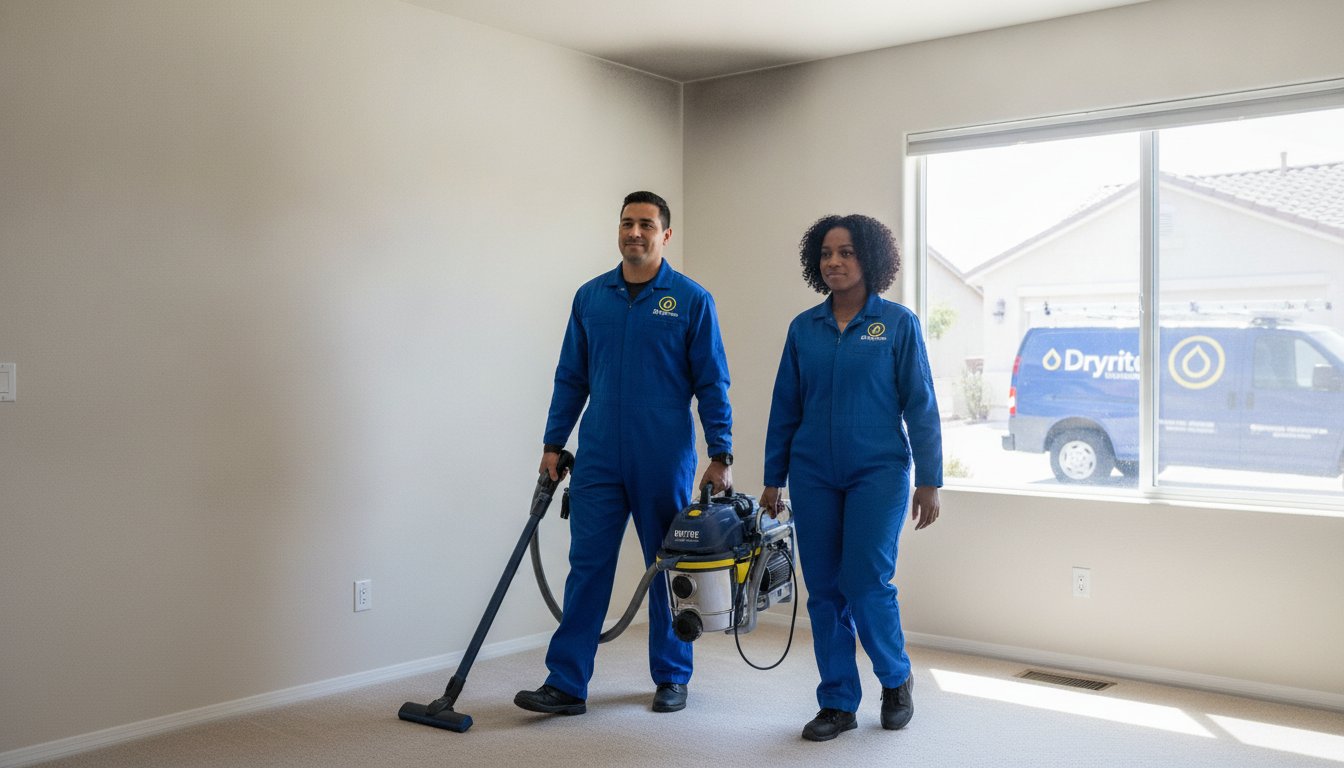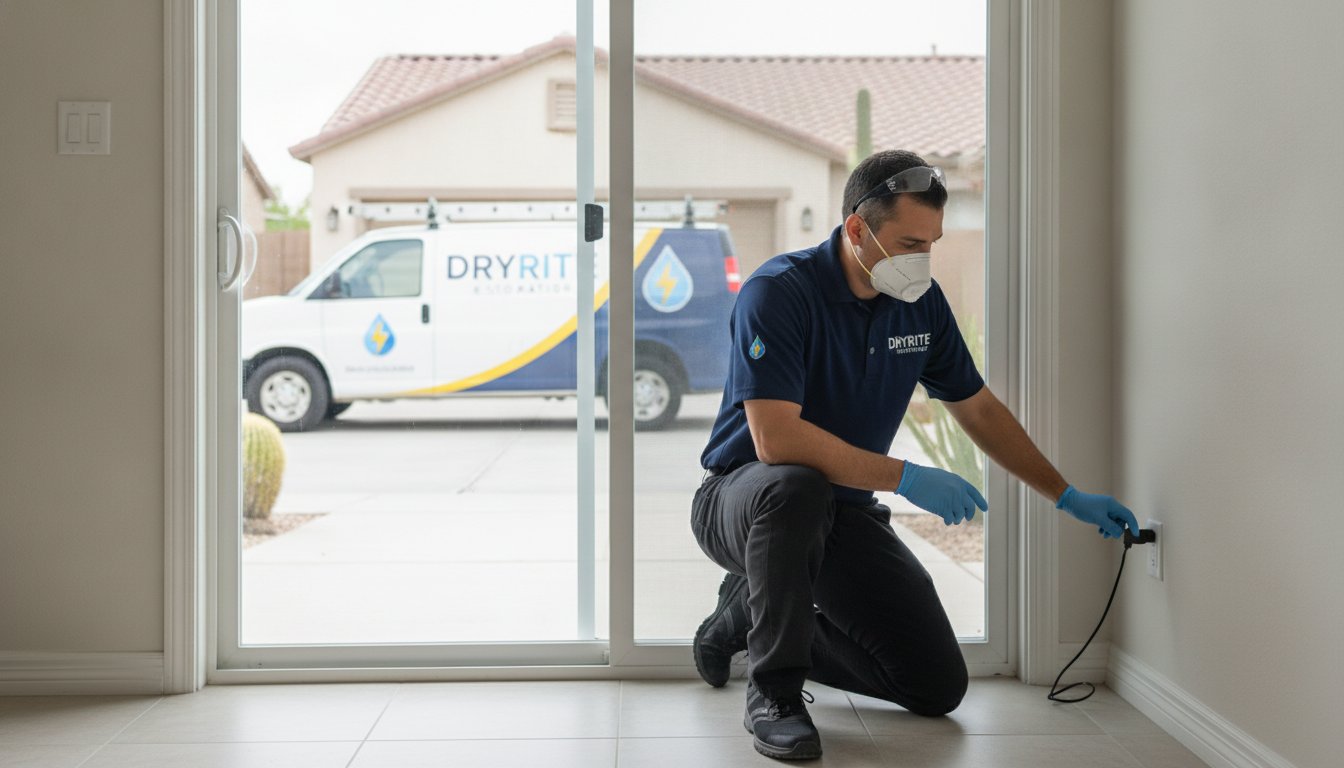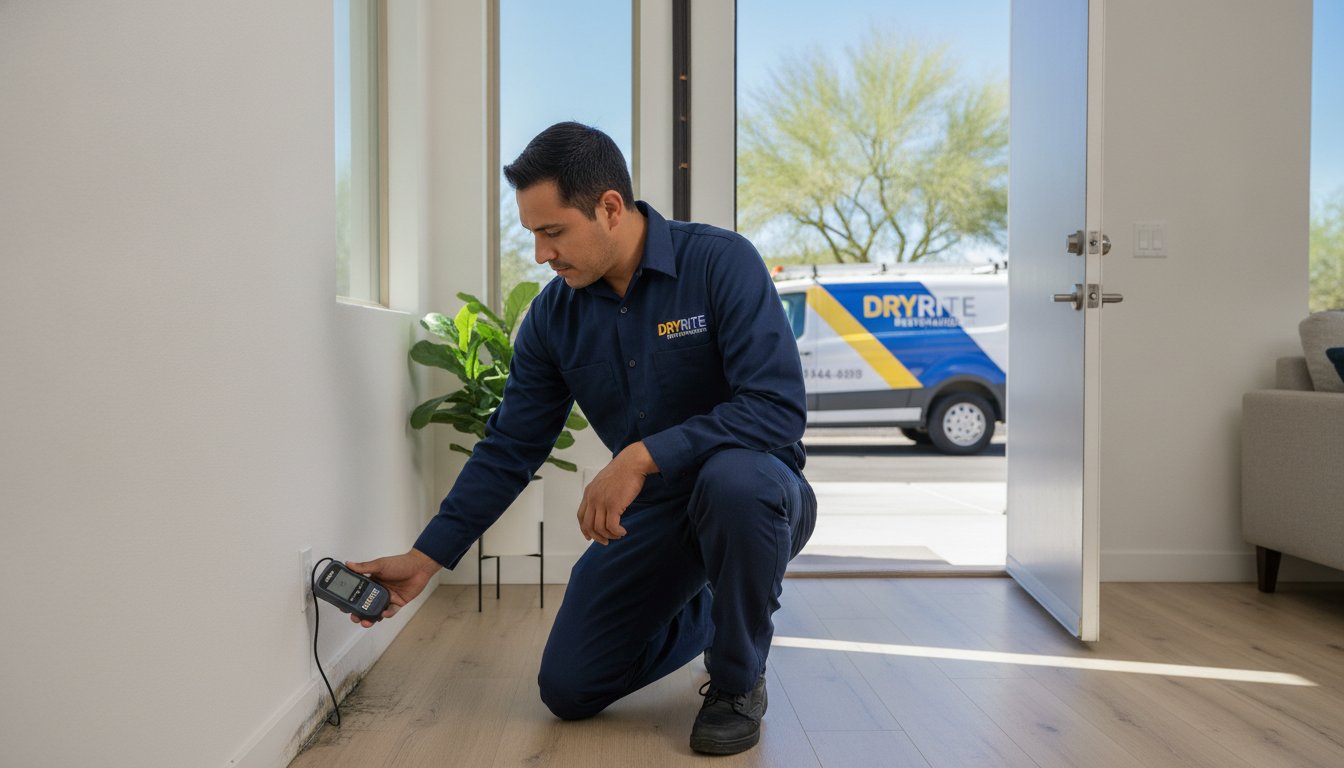
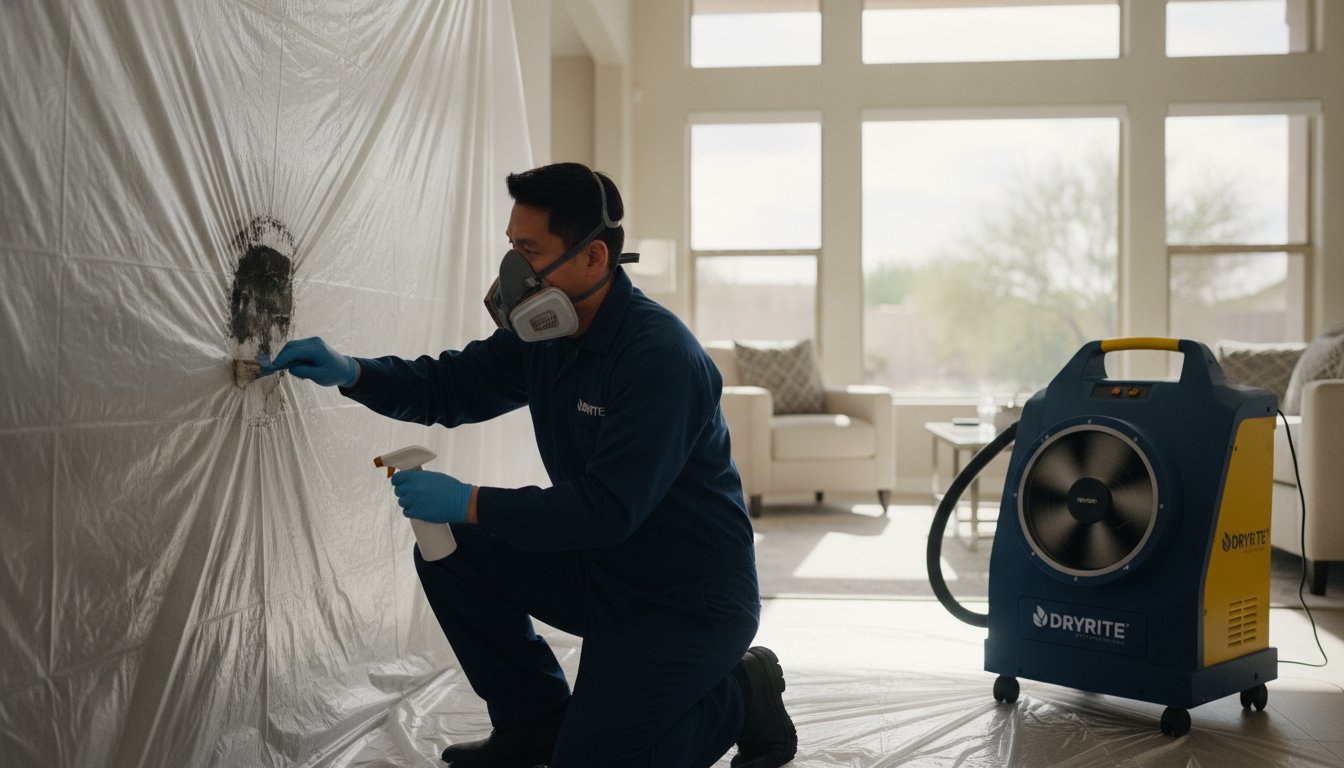
Finding dark spots on your drywall doesn’t mean your home is a lost cause, but it does mean the clock has started on professional containment. Many homeowners immediately worry about their family’s health and ask: is black mold dangerous enough to move out right now? It’s natural to feel overwhelmed by the fear of respiratory issues and the anxiety of looming repair costs, especially with so much conflicting information online. You deserve a clear path from chaos back to a safe, stable home.
This guide provides the facts on health risks and property stabilization based on the latest 2026 safety standards. We’ll cover everything from identifying toxic strains to the actionable steps required to stop the spread and restore your peace of mind. You’ll learn about the updated EPA guidelines from February 2026 and the new 7-day response requirements that are now the standard for property habitability. We’re here to help you move from a state of panic to a state of action with a plan that prioritizes your family’s well-being and your property’s long-term value.
Key Takeaways
- Identify the critical difference between common allergens and mycotoxins to separate scientific facts from online misinformation.
- Assess specific risks for children and high-vulnerability groups to determine exactly how is black mold dangerous for your unique household.
- Implement the “Stop and Stabilize” method immediately to prevent cross-contamination and protect unaffected areas of your property.
- Avoid dangerous DIY mistakes like using household fans or standard vacuums that can launch millions of microscopic spores into your air supply.
- Discover how professional containment and HEPA air scrubbing provide the only reliable path to a certified safe living environment.
Is Black Mold Dangerous? Defining the Threat
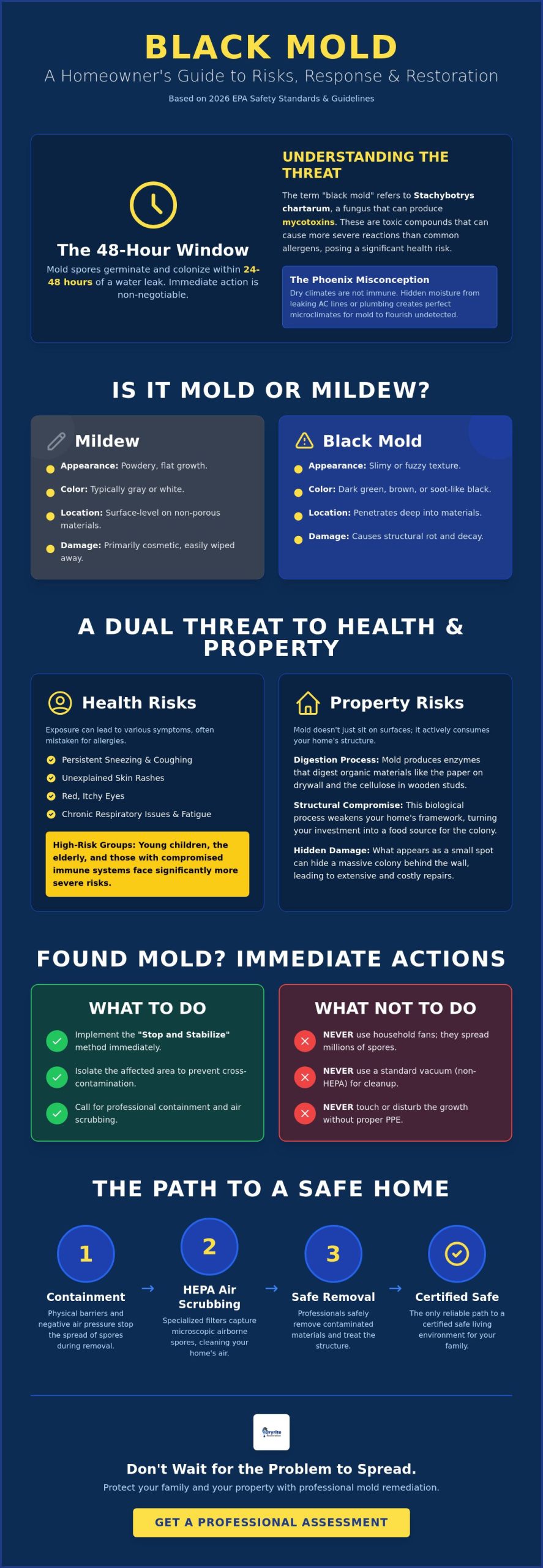
The term “black mold” often sparks immediate panic, but understanding the biology behind the growth is the first step toward restoration. The specific species most people fear is Stachybotrys chartarum. This fungus is unique because it can produce mycotoxins. These are secondary metabolites that can cause more severe reactions than common household allergens. While many molds simply trigger hay fever symptoms, mycotoxins can lead to more persistent health concerns. When homeowners ask “is black mold dangerous,” they are usually worried about this “toxic” label. It is important to distinguish between simple irritants and the metabolic byproducts that characterize this specific species.
In the Phoenix Metropolitan Area, the dry desert heat often leads homeowners to believe they’re safe from fungal growth. This is a dangerous misconception. Mold doesn’t need high outdoor humidity to thrive. It only needs a localized moisture source. We frequently see heavy colonization in leaking AC secondary drain lines or inside wall cavities near plumbing. These hidden water sources create a perfect microclimate. The mold flourishes undetected for months while the rest of the house remains dry. So, is black mold dangerous in a desert climate? Absolutely, because the lack of ambient humidity often allows the growth to hide until it becomes a significant structural and health issue. Homeowners facing this situation should understand the full scope of black mold remediation Phoenix professionals provide to safely address hidden colonies before they cause irreversible damage.
The Difference Between Black Mold and Mildew
Distinguishing between mold and mildew is essential for determining your next steps. Mildew is typically a surface-level growth. It appears powdery, gray, or white and rarely causes structural damage. You can usually wipe it away from non-porous surfaces. True black mold is different. It often has a slimy, wet texture and a dark green or soot-like appearance. It doesn’t just sit on the surface; it penetrates deep into the substrate. This growth feeds on the organic matter within your home’s structure. Remember that color isn’t a definitive diagnostic tool. Not all black-colored fungi are the toxic variety, and some dangerous species can appear brown or even dark green.
Why Moisture is the Real Enemy
Mold spores are everywhere. They remain dormant until they meet water. Once a leak occurs, the clock starts. Spore germination typically happens within a 24 to 48 hour window. This rapid timeline is why immediate water damage restoration is non-negotiable. Arizona monsoons and sudden flash floods provide the massive influx of water needed for a colony to explode. When this moisture hits porous materials like drywall, ceiling tiles, or fiberglass insulation, the material acts like a sponge. It traps the water and provides a steady food source. Without professional intervention, a small leak can transform into a full-scale environmental hazard in less than two days.
Health and Property Risks: What Exposure Really Means
When assessing a growth, homeowners often wonder: is black mold dangerous to the structure itself or just the people inside? The reality is that mold acts as a dual threat. It compromises both your biological health and the physical integrity of your investment. Fungal colonies don’t just sit on top of your walls; they consume them. Mold produces enzymes that digest organic materials like the paper backing on drywall and the cellulose in wooden studs. This biological process turns your home’s skeleton into a food source. Ignoring a small dark patch in the corner of a room often leads to massive, expensive repairs once the hidden colonies behind the wall are finally uncovered.
The biological impact is equally concerning. While healthy adults may experience mild irritation, Black mold exposure symptoms can be significantly more severe for high-risk groups. This includes young children with developing respiratory systems, the elderly, and anyone with a compromised immune system. For these individuals, a mold infestation isn’t just a nuisance. It’s a direct threat that can trigger intense asthma attacks or secondary fungal infections in the lungs. Taking immediate action is the only way to protect these vulnerable family members from long-term complications.
Common Symptoms of Mold Exposure
Exposure often starts with subtle cues. Short-term reactions include persistent sneezing, unexplained skin rashes, and red, itchy eyes. These are frequently mistaken for seasonal allergies. However, long-term exposure can lead to chronic respiratory issues and deep-seated fatigue that doesn’t improve with rest. There’s also a significant psychological toll. Living in a “sick” building creates constant anxiety and stress. The fear of an invisible threat can be just as draining as the physical symptoms themselves. If your family feels better when they’re away from home, you likely need professional mold remediation to restore your environment.
Structural Decay and Secondary Damage
Mold is a master of hidden destruction. It travels deep into porous materials, creating a root-like system called hyphae. This is why surface cleaning with bleach doesn’t work; it only kills the visible growth while the roots continue to eat your wooden studs and ceiling tiles from the inside out. Over time, this compromises the load-bearing strength of your home’s framing. Beyond the structural risk, mold produces volatile organic compounds (VOCs). These create the persistent, musty odors that linger in fabrics and carpets. These smells are a major red flag for home inspectors and can significantly lower your property value during a sale. Is black mold dangerous for your bank account? Yes, because the longer it grows, the more of your home’s structural and resale value it consumes.
Immediate Actions: What to Do if You Find Mold
The moment you discover a dark growth, your priority shifts from curiosity to containment. Your first instinct might be to grab a scrub brush, but that’s often the worst move you can make. When homeowners ask, is black mold dangerous to disturb, the answer is a definitive yes. Agitating a colony releases millions of microscopic spores into your air supply. Instead of cleaning, you must move into the “Stop and Stabilize” phase to protect your family and your property’s unaffected areas.
You must avoid using standard household vacuums or fans near the site. A regular vacuum doesn’t have the filtration power to trap spores; it simply sucks them in and blasts them out the exhaust, contaminating every room in your home. Similarly, fans create air currents that carry contaminants into your ductwork. You should also abandon the myth of using bleach on drywall or wood. While bleach kills surface growth on tile, it’s mostly water. On porous materials, the chemical stays on top while the water soaks in, effectively feeding the mold’s root system. Understanding these black mold symptoms and risks helps you realize why professional containment is the only safe solution.
Step-by-Step Emergency Stabilization
- Turn off your HVAC system immediately. This stops the forced air from circulating spores through your vents and into other bedrooms.
- Identify and kill the moisture source. If the growth is near a pipe, shut off the main water valve to starve the colony of the water it needs to grow.
- Seal off the room. Close doors and windows to the affected area. If possible, use plastic sheeting and painter’s tape to create a temporary physical barrier.
When to Call a Professional
The EPA provides a clear threshold for DIY projects: if the moldy area is less than 10 square feet, you might handle it yourself. However, if the growth exceeds this limit or you suspect it’s hidden inside your wall cavities, you need expert intervention. Professionals use moisture mapping and thermal imaging to find leaks that are invisible to the naked eye. If you smell a persistent musty odor but see no growth, the mold is likely colonizing your insulation or the backside of your drywall. In these cases, is black mold dangerous enough to require specialized equipment? Yes, because only HEPA-filtered air scrubbers can truly clear the air of toxic particulates. Contact our team for professional mold remediation to stabilize your home today.
Professional Remediation: The Path to a Safe Home
Professional remediation is about more than just removal. It’s about total environmental control. We start by creating a “clean room” environment using heavy-duty physical barriers and industrial-strength negative air pressure machines. This setup ensures that no spores escape the work zone to settle in your living room or kitchen. Is black mold dangerous if left to float freely? Absolutely. That’s why we use HEPA air scrubbers to cycle the air in the affected area several times per hour. These machines trap particulates as small as 0.3 microns, effectively scrubbing the air of microscopic toxins that standard filters miss.
Speed is the ultimate stabilizer in a property crisis. We offer a 90-minute arrival time because we know that moisture doesn’t wait for convenient business hours. The faster our team arrives, the less structural damage your home sustains. Once the physical growth is removed, we perform final clearance testing. This independent verification provides documented proof that your home is safe for your family to occupy once again. We don’t just fix the problem; we provide the evidence you need to feel secure in your own space.
The Dryrite Restoration Approach
We use industrial-grade antimicrobial treatments to sanitize the area and prevent future colonization. Our team follows a specific mold remediation process step by step that includes deep structural drying. We don’t just remove the visible mold. We eliminate the hidden moisture that invited it in the first place. We stand behind our work with a 2-year warranty on all mitigation services. This gives you the peace of mind that your home will stay healthy long after our trucks leave your driveway.
Navigating Insurance and Reconstruction
The financial side of recovery is often the biggest source of anxiety for homeowners. We simplify this by coordinating directly with your insurance provider throughout the entire project. Our experts manage the complex documentation and communication gaps that often delay claims. When the remediation is done, we transition directly into structural reconstruction. Whether you need mold remediation mesa az or full-scale repairs, we handle everything internally. We return your property to its pre-loss condition, ensuring a seamless move from chaos back to tranquility. For Phoenix-area homeowners dealing with toxic fungal growth, our dedicated black mold remediation Phoenix services include full insurance documentation support and long-term moisture prevention strategies.
Secure Your Property and Restore Your Peace of Mind
Understanding the real risks of fungal growth is the first step toward reclaiming your environment. We’ve explored how localized moisture triggers rapid colonization and why the question is black mold dangerous matters for both your family’s health and your home’s structural integrity. You now have the tools to move from a state of panic to a state of decisive action. Remember that the “Stop and Stabilize” method is your best defense until professional containment begins.
Since 2004, our licensed, bonded, and insured restoration specialists have served as a stabilizing force for homeowners in crisis. We provide 24/7 emergency response and handle direct insurance billing and coordination to minimize your administrative burden. Our team brings order to chaotic situations by prioritizing your emotional well-being alongside physical repairs. Don’t let mold compromise your investment or your security any longer. Take the final step toward a certified safe home today.
Get a Professional Mold Assessment in 90 Minutes or Less
You don’t have to navigate this recovery alone. We are ready to help you turn this disaster into a distant memory and bring tranquility back to your home.
Frequently Asked Questions
Can I sleep in my house if I have black mold?
You can sleep in your house only if the affected area is small and completely isolated from your sleeping quarters. If the growth is in your HVAC system or covers more than 10 square feet, the risk of spore inhalation during the night is too high. High-risk individuals like children or those with asthma should always seek alternative housing until the air is cleared and the environment is stabilized.
Does bleach actually kill black mold on drywall?
Bleach does not kill mold on drywall or other porous surfaces. While it may remove the dark stains on the surface, the chlorine cannot penetrate the material to reach the roots. The water content in the bleach actually soaks into the drywall, providing the exact moisture the fungus needs to regrow. This often results in a cycle where the growth returns stronger than before within just a few days.
How long does it take for black mold to make you sick?
Health reactions can occur within hours of exposure for individuals with mold allergies or sensitive respiratory systems. For others, it may take days or weeks of breathing in spores before symptoms like fatigue or chronic coughing develop. The primary concern when asking is black mold dangerous is the cumulative effect of long-term exposure on your immune system. Immediate containment is the only way to stop the clock on these health risks.
Will my homeowners insurance pay for mold removal in Arizona?
Most Arizona homeowners insurance policies cover mold removal if the growth resulted from a “sudden and accidental” water event, such as a burst pipe or flash flood. However, coverage is typically denied if the mold is the result of long-term neglect or poor maintenance. We recommend reviewing your specific policy’s “mold endorsement” or “fungi” limit, as many plans have a specific dollar cap for remediation and reconstruction services.
What does black mold smell like?
Black mold produces a distinct, pungent odor often described as earthy, musty, or like rotting organic matter. Some homeowners compare the scent to wet socks or a damp basement that never dries out. These smells are caused by microbial volatile organic compounds (mVOCs) released as the colony feeds on your home’s building materials. If you notice this scent despite having a clean home, it’s a major red flag for hidden growth behind your walls.
Can black mold grow back after professional remediation?
Mold will not grow back if the underlying moisture source is permanently removed and the area was properly treated. Professional remediation includes the application of antimicrobial sealants and structural drying to ensure the environment is no longer hospitable to spores. However, if a new leak occurs or humidity levels rise above 60%, new spores can settle and begin the colonization process again. Persistence in moisture control is the key to long-term property safety.