Could your home’s ventilation system be circulating more than just cool air? You’ve likely noticed a lingering, damp smell or a sudden spike in your energy bills, yet the source remains invisible. It’s exhausting to deal with persistent coughing or watery eyes when you should be relaxing. Recognizing the early mold in air ducts symptoms is vital to stopping property damage before it escalates. We know the stress of feeling like your home’s safety is compromised, and we’re here to bring order back to the chaos.
Identify these red flags now to restore your air quality and your peace of mind. This guide provides the professional clarity needed to confirm if mold has colonized your vents and outlines the immediate steps to stop the spread. We’ll walk through eight critical warning signs, ranging from unexplained respiratory issues to physical indicators within your HVAC unit. Gain the expert knowledge you need to protect your family and your property today.
Key Takeaways
- Identify the eight physical and environmental red flags, from persistent musty odors to unexplained respiratory distress.
- Differentiate between common seasonal allergies and specific mold in air ducts symptoms to accurately assess your health risks.
- Uncover why Arizona’s monsoon humidity and extreme temperature shifts make your HVAC system a primary target for mold growth.
- Master a safe inspection protocol to check your ventilation covers without accidentally circulating spores throughout your home.
- Learn how professional HEPA filtration and rapid-response containment provide the only permanent solution for a safe living environment.
Recognizing the Red Flags: 8 Signs of Mold in Your Air Ducts
Ignoring subtle changes in your home’s environment is a risk you shouldn’t take. When fungal growth takes hold inside your HVAC system, it doesn’t stay contained; it uses your ductwork as a highway to reach every room. Identifying mold in air ducts symptoms early is the difference between a simple cleaning and a massive restoration project. Your ventilation system should provide a sanctuary of clean air, not act as a delivery vehicle for contaminants that compromise your family’s health.
Watch for these eight warning signs that indicate your system is compromised:
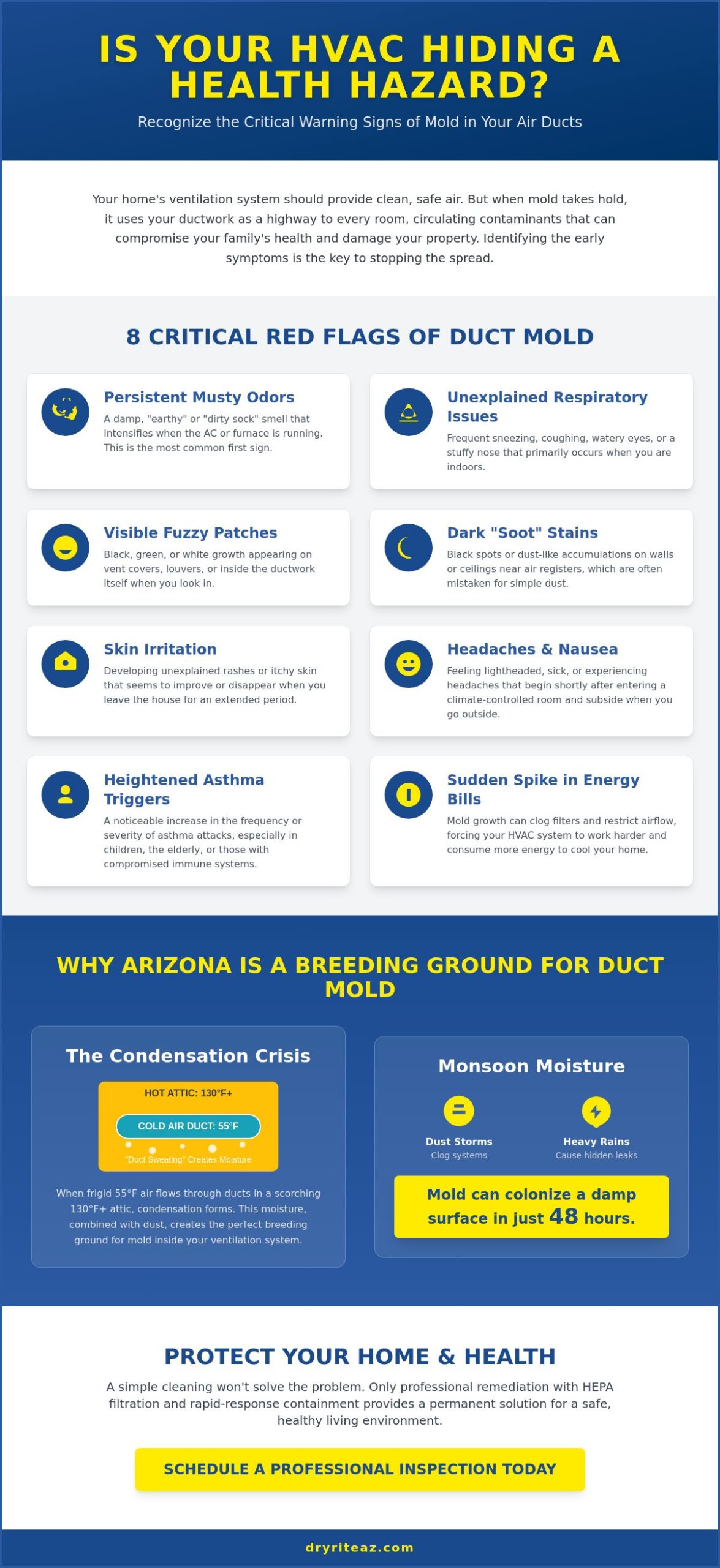
- Persistent musty odors: A damp, “earthy” smell that intensifies when the AC or heat cycles on.
- Unexplained respiratory issues: Frequent sneezing, coughing, or watery eyes that only occur indoors.
- Skin irritation: Developing rashes or itchy skin that clears up when you leave the house.
- Visible fuzzy patches: Black, green, or white growth appearing directly on vent covers or louvers.
- Dark “soot” stains: Black spots or dust-like accumulations on the ceiling or walls near air registers.
- Chronic nausea: Feeling lightheaded or sick to your stomach specifically when the HVAC is running.
- Recurrent headaches: Pain that starts shortly after you enter a climate-controlled room.
- Heightened asthma triggers: Increased frequency of attacks in children or the elderly.
The Sensory Test: What Does HVAC Mold Smell Like?
Your nose is often the first line of defense. Active fungal colonies produce microbial volatile organic compounds (mVOCs) that create a distinct “dirty sock” or mildew scent. This odor is usually strongest during the first few minutes of a cooling cycle. While stagnant dust might smell slightly singed when the heater first turns on, mold smells organic, heavy, and wet. If the scent lingers throughout the day, it’s a sign that a colony has matured within the dark, damp environment of your ductwork.
Health Symptoms: Is Your HVAC Making You Sick?
When the fan kicks on, it forces air over fungal colonies, stripping away microscopic spores and mycotoxins. These particles are then inhaled by everyone in the home. Common symptoms of mold exposure often mimic seasonal allergies, which leads many homeowners to overlook the true cause. For those with compromised immune systems, the elderly, or young children, these mold in air ducts symptoms can escalate into severe respiratory distress. If your “allergies” seem to disappear the moment you step outside for a walk, your ventilation system is likely the culprit. We prioritize your well-being by identifying these triggers before they lead to long-term health complications.
Why Mold Thrives in Arizona Ductwork: The Monsoon and AC Connection
Arizona’s climate is a paradox. We live in a dry desert, yet our homes often harbor tropical levels of moisture inside the ventilation system. This hidden humidity is the primary reason homeowners eventually experience mold in air ducts symptoms. While the air outside is parched, the air inside your attic is a different story. Identifying these mold in air ducts symptoms early is key to preventing a total system failure before the next storm hits.
The Condensation Crisis in Phoenix Homes
Think about a cold soda can on a July afternoon. It drips with condensation instantly. The same physics apply to your HVAC system. When your AC pumps 55-degree air through metal ducts in a 130-degree attic, the ductwork “sweats.” If insulation is damaged, this moisture seeps inside. Oversized units worsen this by cooling too fast to dehumidify, leaving vents damp. This moisture combines with Arizona dust to create a perfect fungal food source.
Monsoon Moisture and Hidden Leaks
Monsoon season introduces a sudden influx of humidity. Dust storms clog condensers, while heavy rains find tiny gaps in roof flashing. Once water enters your system, the clock starts. Mold needs only 48 hours of consistent moisture to colonize a surface and begin releasing spores. According to the EPA guide to mold control, moisture management is the only way to prevent a full-blown infestation.
If a storm has compromised your home, don’t wait for the smell to start. Professional water damage restoration mesa az is essential to extract moisture before it turns into a hazardous health issue. We act as your experienced protector, stabilizing the environment before the first signs of growth appear. Reach out to our team to ensure your home remains a sanctuary of clean, dry air.
How to Safely Check for Mold in Your Vents
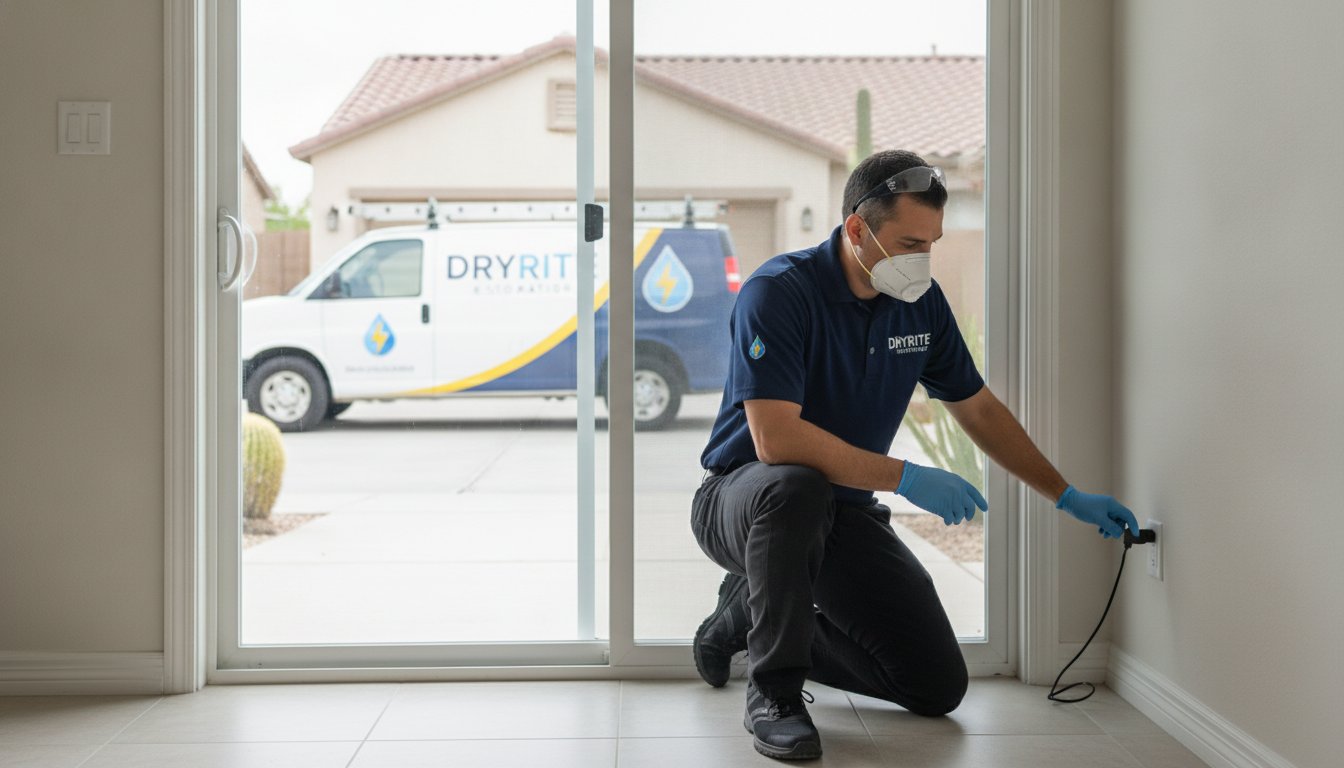
You’ve recognized the mold in air ducts symptoms. Now you need visual confirmation. Before you grab a ladder, shut down your HVAC system completely. Air movement during an inspection can release millions of spores, turning a localized issue into a whole-home contamination event. We prioritize safety above all else. Shut it down now.
The “Flashlight and Mirror” Inspection
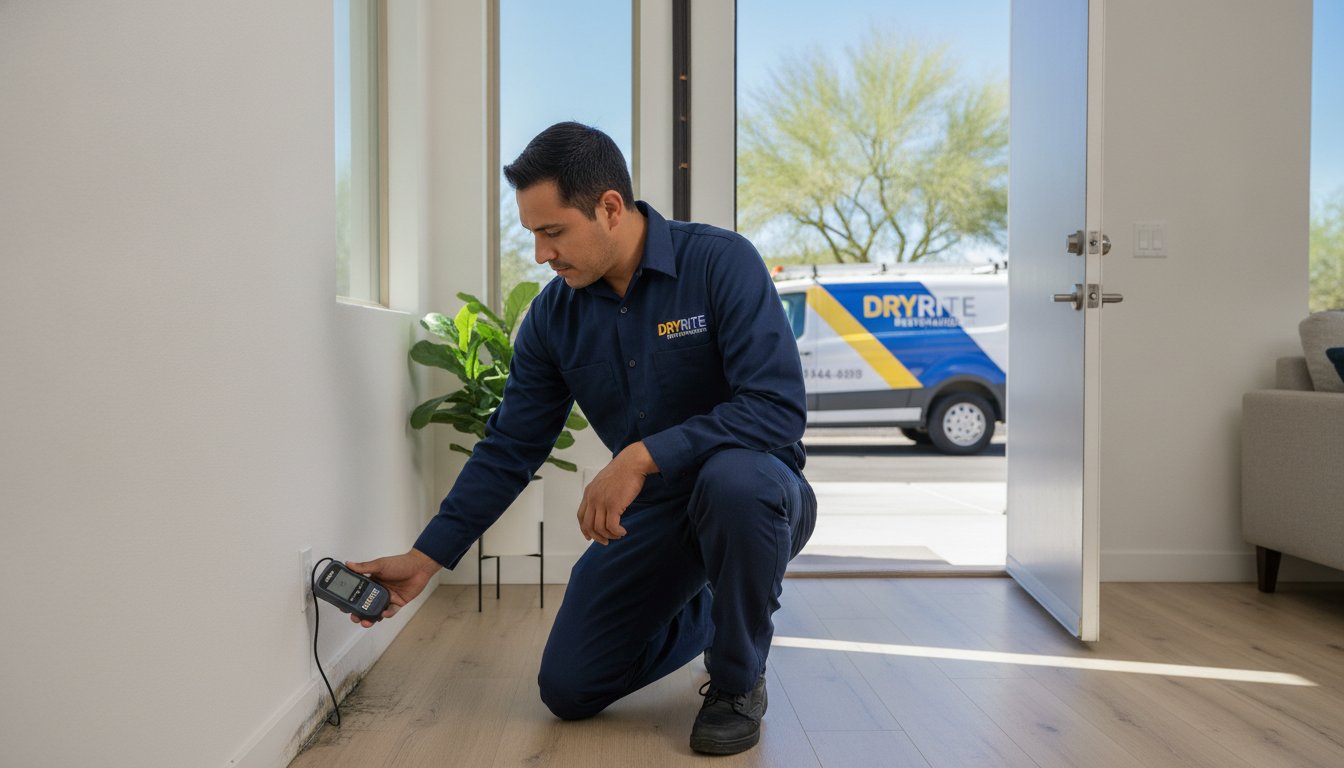
Remove a vent cover near the area where the odor is strongest. Use a high-powered flashlight to peer into the “boot,” which is the metal transition where the duct meets your ceiling. Look for moisture or “sticky” dust. If the dust feels tacky or clumpy rather than dry and fluffy, it indicates high humidity and active fungal growth. A small hand mirror helps you see around corners into the duct interior without disturbing the surface. Stay observant but keep your distance.
Don’t stop at the vents. Inspect your air filter for dark spotting or unusual dampness. Check the plenum, which is the main distribution box near your indoor unit. If you see “ghosting” or dark, jagged streaks on the internal insulation, the problem is deep-seated. Avoid the urge to poke these areas with a brush or finger. Disturbing a colony without containment is the fastest way to worsen your indoor air quality and escalate health risks.
When to Stop and Call a Professional
Visible mold is often just the tip of the iceberg. What you see on a vent cover usually signals a much larger colony hidden within the unreachable turns of your ductwork. Don’t reach for the bleach. Domestic cleaners and shop vacuums lack the HEPA filtration required to kill spores or capture them safely. In fact, vacuuming without professional equipment often exhausts spores back into your living space at high velocity. This creates a more dangerous environment than before you started.
If you find evidence of growth, it’s time to step back. Attempting to scrub your vents yourself can lead to a massive spike in mold in air ducts symptoms for everyone in the house. We bring order to this chaos through specialized containment and extraction. For a permanent solution that protects your property and your health, secure professional mold remediation mesa az today. Our team handles the technical burden so you can breathe easy again.
Professional Remediation: Restoring Clean Air and Peace of Mind
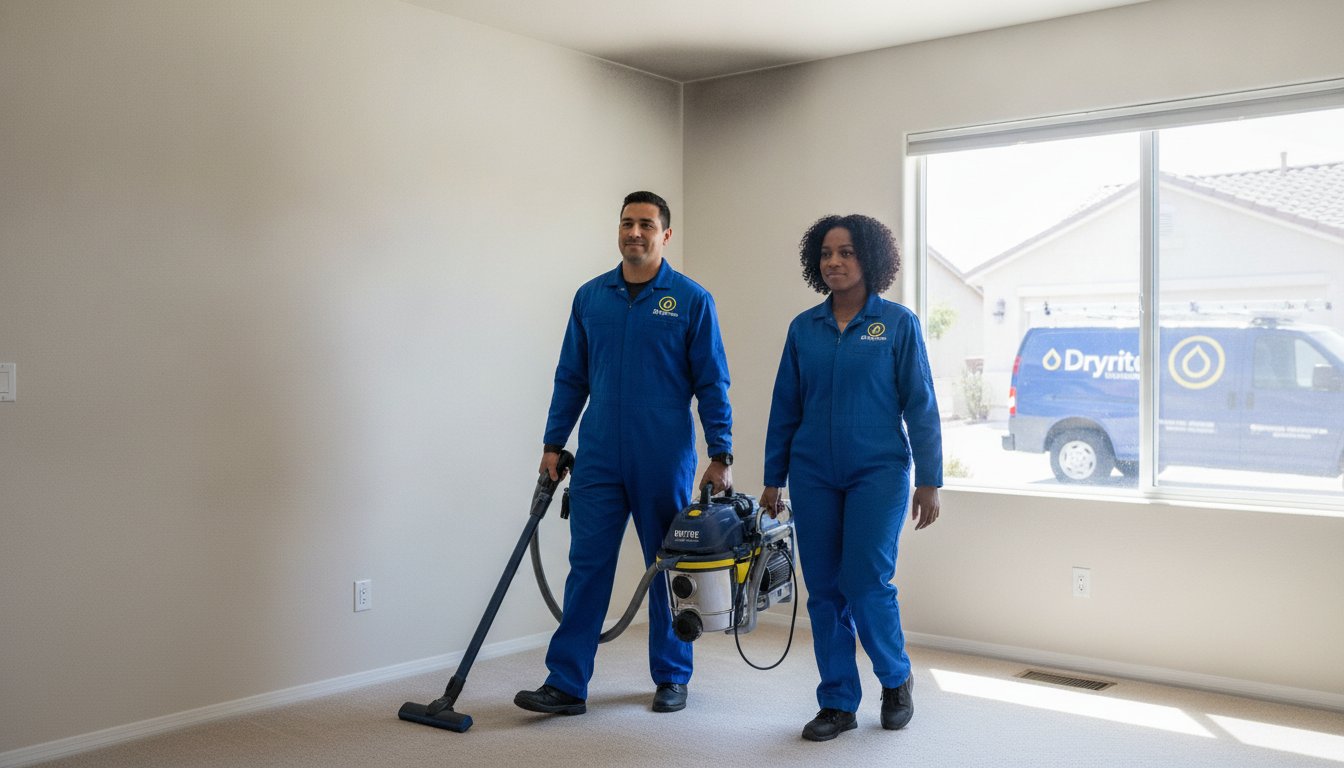
Once you confirm mold in air ducts symptoms, every hour matters. Mold is an aggressive invader that doesn’t wait for a convenient time to stop growing. We provide a 90-minute emergency response to stabilize your property and halt the spread of spores. Our team acts as an experienced protector, bringing the technical expertise and industrial equipment required to restore your home to a safe, healthy state. We don’t just clean; we restore order to your living environment.
Professional remediation requires more than a simple wipe-down. We utilize negative air pressure to create a vacuum effect, ensuring that agitated spores cannot escape into other rooms during the process. High-efficiency particulate air (HEPA) filtration systems scrub the air constantly, capturing microscopic particles that the human eye cannot see. This level of containment is essential for protecting your family while we eradicate the colony at its source.
The Dryrite Restoration Process
We deploy industrial-grade air movers and high-capacity dehumidifiers to eliminate the moisture source identified in earlier inspections. Structural drying is the only way to guarantee that mold won’t return after the initial cleaning. Once the environment is dry, we apply EPA-approved antimicrobial treatments to the ductwork surfaces. This provides a long-term barrier against future growth. We conclude every project with final clearance testing to verify that your indoor air quality has returned to safe, breathable levels.
Navigating Insurance and Recovery
Managing the aftermath of property damage is stressful. We simplify the recovery by coordinating directly with your insurance carrier to prevent communication gaps. Accurate documentation is the key to a successful claim. Our team provides comprehensive water damage insurance claim help arizona, ensuring all damage is cataloged and reported correctly. We manage every aspect of the project internally to maintain total accountability.
We stand behind our work with a 2-year warranty on all mitigation services, giving you the security you deserve. Don’t let a hidden threat compromise your peace of mind or worsen your mold in air ducts symptoms. Contact Dryrite Restoration 24/7 for a professional inspection and take the first step toward a clean, safe home today. We are ready to bring tranquility back to your property.
Secure Your Home and Breathe Freely Again
You now have the tools to identify the mold in air ducts symptoms that threaten your family’s health and your property’s integrity. Whether it’s the unmistakable scent of mildew or persistent respiratory irritation, these red flags require immediate attention. Waiting only allows the colony to expand deeper into your HVAC system. We understand the urgency of your situation and act as a stabilizing force to bring order back to your environment.
Our IICRC certified specialists are licensed, insured, and ready to help. We offer a 24/7 emergency response to ensure you never have to face a crisis alone. Every project we handle comes with a 2-year warranty on mitigation work, providing the long-term security you deserve. Let us handle the technical burden while you focus on your family’s well-being. It’s time to stop the spread and restore the clean air your home was meant to provide.
Get a Professional Mold Inspection in 90 Minutes or Less
We’re here to help you move from a state of worry to a state of total resolution. Your safety is our priority, and we’re ready to protect it.
Frequently Asked Questions
Can mold in air ducts make you sick?
Yes, mold exposure can cause significant health issues. When your HVAC system cycles, it spreads microscopic spores and mycotoxins throughout every room in your home. This leads to common mold in air ducts symptoms like nasal congestion, wheezing, and skin irritation. For those with compromised immune systems or chronic lung diseases, these symptoms can escalate into more severe respiratory infections. If you are looking for ways to strengthen your body’s natural defenses after exposure, visit Aku24 – Medycyna Naturalna.
How do I know if the black stuff in my vents is mold or just dust?
Texture and odor are the primary differentiators. Dust is typically dry, light, and easy to wipe away. Mold is clumpy, tacky, or even slimy to the touch, and it often has a persistent musty smell. If the “dust” seems to grow back quickly or appears in jagged, dark streaks near your registers, it’s likely a fungal colony rather than simple household debris.
Can I clean mold out of my air ducts myself?
Attempting to clean mold yourself is dangerous and usually ineffective. Household vacuums and chemicals cannot reach deep into the ventilation system, and they lack the HEPA filtration required to trap spores. You risk releasing millions of contaminants into your living space, which can cause an immediate spike in mold in air ducts symptoms. Professional containment is the only way to protect your health during removal.
How much does it cost to remove mold from air ducts?
The total investment for remediation depends on the severity of the growth and the size of your HVAC system. Factors like the accessibility of your ductwork and whether the mold has reached the main blower unit also influence the scope of work. We recommend a professional inspection to provide an accurate assessment based on your specific property’s needs and the extent of the contamination.
Will air duct cleaning kill mold permanently?
Cleaning alone is not a permanent solution. Mold will return if the moisture source, such as a leaking roof or high humidity, is not eliminated. A professional approach includes structural drying and antimicrobial treatments to ensure the environment no longer supports fungal growth. Addressing the root cause is the only way to ensure your air remains clean long-term.
Does home insurance cover mold in air ducts?
Coverage typically depends on the origin of the moisture. If the mold resulted from a sudden and accidental event, like a burst pipe or a storm-damaged roof, your policy might cover the remediation. However, mold caused by long-term humidity or poor maintenance is often excluded. We assist you by documenting the damage clearly to help you navigate the claims process with your provider.