
Approximately 30 million older homes in the U.S. still contain asbestos. It’s a staggering figure that transforms a simple weekend renovation into a high-stakes safety crisis. When you discover suspicious insulation or floor tiles, the excitement of upgrading your space quickly shifts to anxiety over your children’s health. Managing asbestos removal in old homes isn’t just about following the law; it’s about protecting your sanctuary from a silent threat that causes nearly 40,000 deaths every year. You deserve a home that provides security, not a source of medical concern or endless renovation delays.
We understand the stress of navigating Maricopa County’s complex air quality regulations and the fear of a project spiraling out of control. This guide provides the clear, action-oriented plan you need to identify hazardous materials and restore your property safely. We’ll walk you through how to verify hidden risks, comply with Arizona-specific notification deadlines, and move from a state of panic to a state of total peace. Discover how to protect your family and your property value with expert handling that brings order back to your home.
Key Takeaways
- Identify high-risk materials like popcorn ceilings and 9×9 vinyl tiles that are common in Arizona properties built before 1986.
- Navigate the critical decision between temporary encapsulation and permanent asbestos removal in old homes to secure your long-term property value.
- Understand the professional abatement sequence, including the necessity of AHERA-certified inspections and specialized containment zones.
- Ensure full compliance with Maricopa County and ADEQ regulations to prevent project shutdowns and administrative penalties.
- Learn how to manage sudden asbestos exposure during secondary emergencies, such as pipe bursts or water damage, with immediate expert stabilization.
Understanding Asbestos in Aging Properties: Why It Still Matters in 2026
Asbestos is a set of naturally occurring silicate minerals known for extreme heat resistance and tensile strength. For decades, it was the “miracle mineral” of the construction industry. You can gain a deep perspective on its chemical properties by Understanding Asbestos in Aging Properties through historical data. While the EPA began a phase-out in the 1970s, it wasn’t a clean break. Homes built before 1986 remain the highest risk category for homeowners today. In the 2026 housing market, these materials aren’t just a health concern; they’re a massive liability that can stall a sale or tank a property’s value during a standard inspection.
The “Legacy” Problem: Why Old Homes Retain Hazards
This mineral is incredibly durable. It doesn’t rot, evaporate, or lose its structural integrity over time. This longevity is exactly why it remains a threat decades after installation. Often, these hazards are buried under layers of modern renovations. You might find asbestos-backed vinyl under three layers of newer laminate flooring. Asbestos removal in old homes becomes complicated because you’re peeling back history. When these materials are disturbed, they release microscopic fibers. Inhaling these fibers is the primary cause of long-term respiratory issues; we’re talking about nearly 40,000 annual deaths according to May 2026 data from the Institute for Health Metrics and Evaluation.
Friable vs. Non-Friable: Knowing the Difference
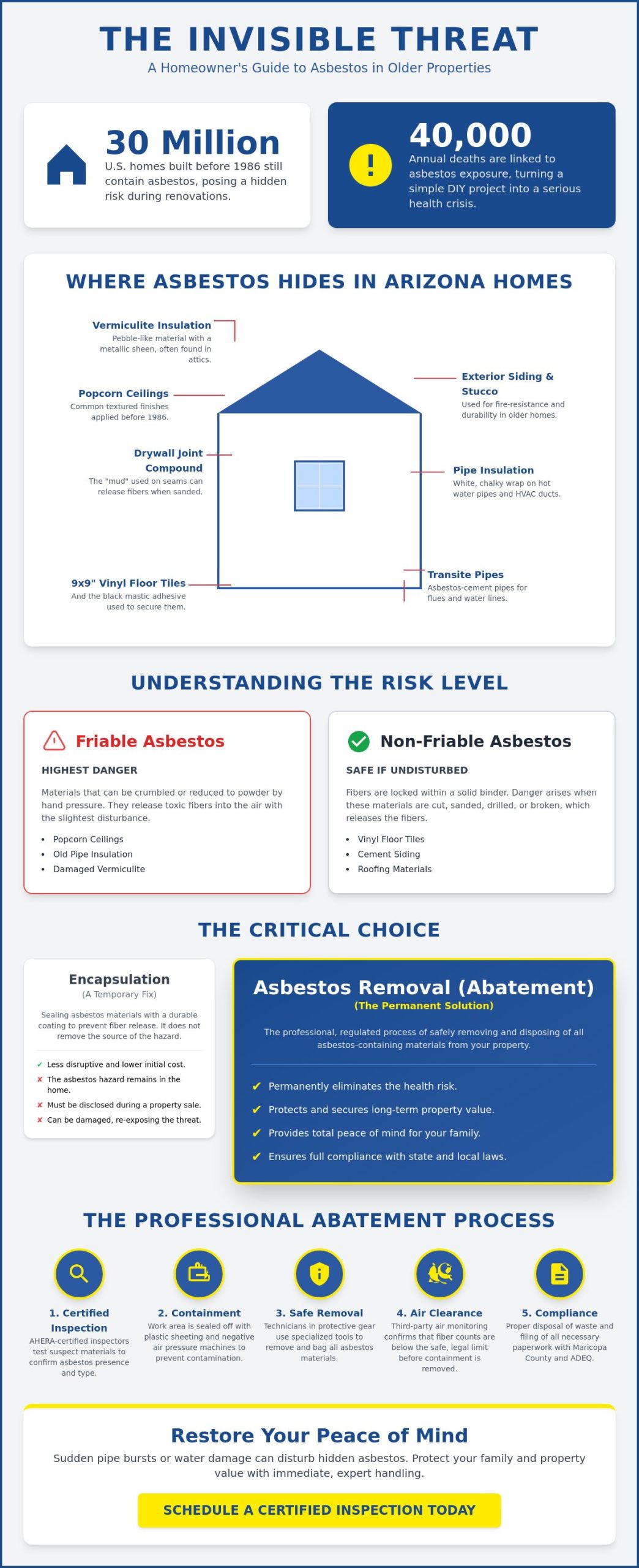
Safety depends on the physical state of the material. Friable asbestos is the most dangerous. These materials, like old pipe wrap or popcorn ceilings, can be crumbled by hand pressure alone. They release fibers into the air with the slightest touch. Non-friable materials, such as floor tiles or cement siding, have fibers locked in a solid binder. They’re generally safe if left alone. However, a renovation project changes everything. Sanding, drilling, or sawing transforms non-friable materials into a cloud of toxic dust. This is why asbestos removal in old homes requires a controlled environment to prevent cross-contamination across your living space.
Roughly 30 million homes in the U.S. still contain these materials as of May 2026. Buyers are more educated than ever. An inspection report flagging asbestos-containing materials (ACMs) can end a deal instantly unless a clear remediation plan is in place. We bring order to that chaos by identifying the exact nature of the risk and providing a path to a clean, safe environment. Secure your family’s health by addressing these legacy hazards before they become an emergency.
Identifying the Invisible Threat: Where Asbestos Hides in Arizona Homes
Identifying the need for asbestos removal in old homes begins with recognizing the specific building materials used in Southwest ranch-style architecture. In Mesa, the most prevalent offender is the textured “popcorn” ceiling. These friable finishes were standard in Arizona residential construction for decades. If your home was built before 1986, that decorative ceiling likely contains chrysotile asbestos. Similarly, 9×9 floor tiles are a classic indicator. While modern vinyl tiles are typically 12×12, the smaller, older format almost always signals an asbestos-containing material (ACM).
Don’t overlook the systems behind your walls. Transite pipes, made of an asbestos-cement mixture, were frequently used in Arizona for HVAC flues and water lines because they could withstand the intense desert heat. Perhaps the most insidious threat is drywall joint compound. Even if the drywall itself is safe, the “mud” used to seal the seams often contained asbestos. When you sand these walls during a remodel, you aren’t just creating dust; you’re contaminating every square inch of your home with microscopic fibers that settle into carpets and air ducts.
Common ACM Locations in Southwest Architecture
Arizona’s unique climate and architectural trends created specific high-risk zones. Attic spaces often contain vermiculite insulation, which has a distinct, pebble-like appearance with a metallic sheen. This material is particularly dangerous because air movement can easily disturb it. Exterior stucco and siding on older Phoenix-area ranch homes also frequently utilized asbestos for its fire-resistant properties. Underneath your floors, the black adhesive known as “mastic” used for linoleum or wood flooring is another common carrier that requires expert handling to prevent fiber release.
The Danger of DIY Discovery
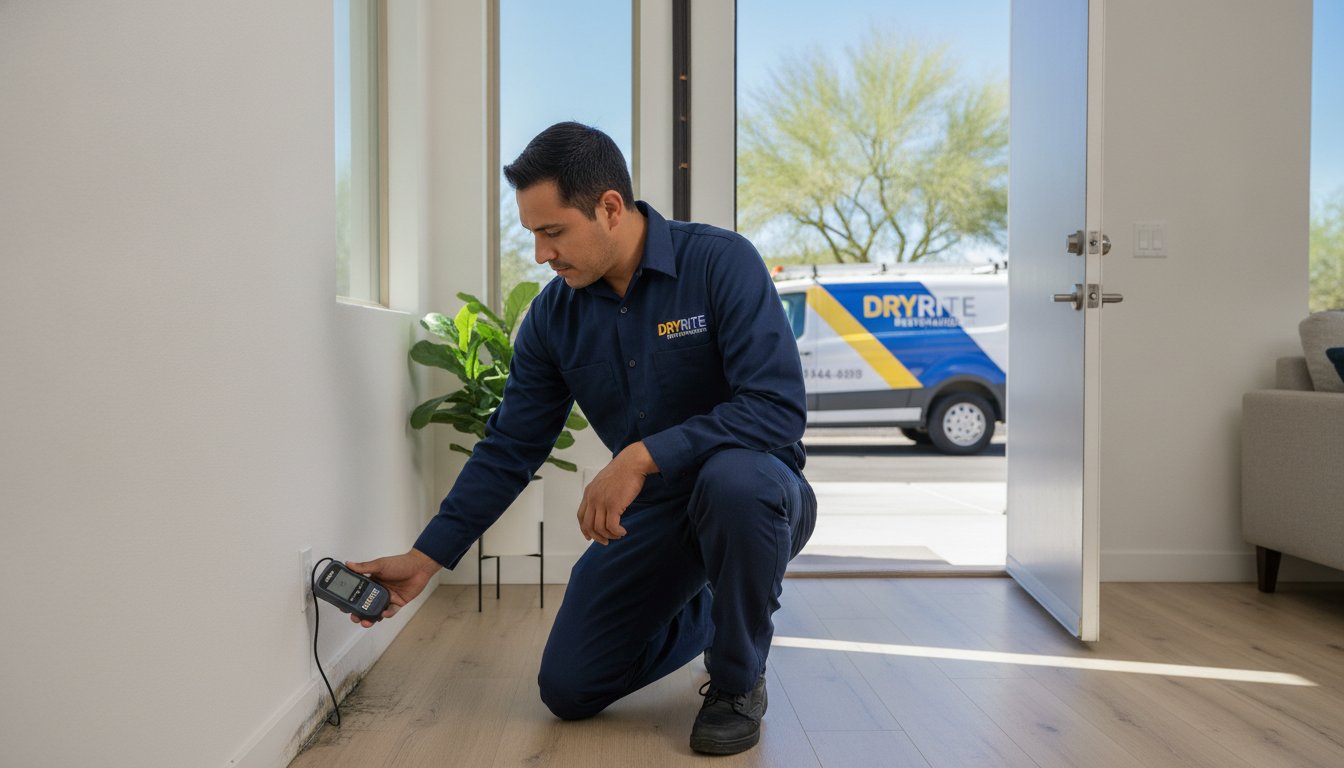
Never attempt to “test” a material by breaking off a sample yourself. This action releases fibers into your breathing zone immediately. In Arizona, our intense seasonal monsoons or sudden plumbing failures often act as the catalyst for exposure. Water damage can cause ceiling materials to sag and peel, or it can degrade the binders in floor mastic. We utilize thermal imaging leak detection to find hidden moisture behind walls that may be compromising the stability of ACMs. If you suspect your home has hidden hazards, reviewing The Removal vs. Encapsulation Dilemma can help you understand the risks before any physical disturbance occurs. Stay safe by keeping materials intact until a certified professional can verify their composition and safety level.
The Removal vs. Encapsulation Dilemma: Making the Safest Choice
Deciding how to handle hazardous materials requires a balance of immediate safety and long-term financial health. You have two primary paths: encapsulation or removal. Encapsulation involves coating the material with a specialized sealant to prevent fibers from escaping. It’s a stabilization method that leaves the hazard in place but under control. Removal, or professional abatement, is the permanent elimination of the material from your property. Each choice carries significant weight for your property’s resale value and your future insurance premiums.
In the 2026 housing market, transparency is everything. Buyers often demand the complete asbestos removal in old homes before signing a contract. Leaving asbestos behind, even if encapsulated, can lead to higher insurance costs or specific policy exclusions. We focus on providing a clear path to a safe environment, ensuring your home remains a valuable asset rather than a liability. Choosing the right method now prevents a crisis later when you’re trying to sell or insure your property.
When is Encapsulation a Viable Option?
Encapsulation is often a practical choice for non-friable materials in excellent condition. If your floor tiles are intact and you plan to install new flooring directly over them, sealing them might suffice. It’s a cost-effective short-term fix. However, this is not a “set it and forget it” solution. You must perform ongoing monitoring to ensure the sealant hasn’t degraded. If the material becomes damaged later, the risk returns. Consulting a homeowner’s guide to asbestos can help you weigh these temporary containment options against your family’s needs.
Why Removal is Recommended for Major Renovations
If you’re planning to knock down walls or update your HVAC system, asbestos removal in old homes is the only way to guarantee safety. Future contractors will need to drill, cut, or move materials. Even encapsulated asbestos becomes a nightmare the moment a saw blade hits it. Addressing the problem now prevents accidental exposure and massive project delays. It’s vital to calculate how the asbestos removal cost per square foot impacts your total renovation budget. Professional removal concludes with rigorous clearance testing. This provides a certified “clean bill of health” for your property, restoring the tranquility you expect from your home.
The Professional Abatement Process: What to Expect
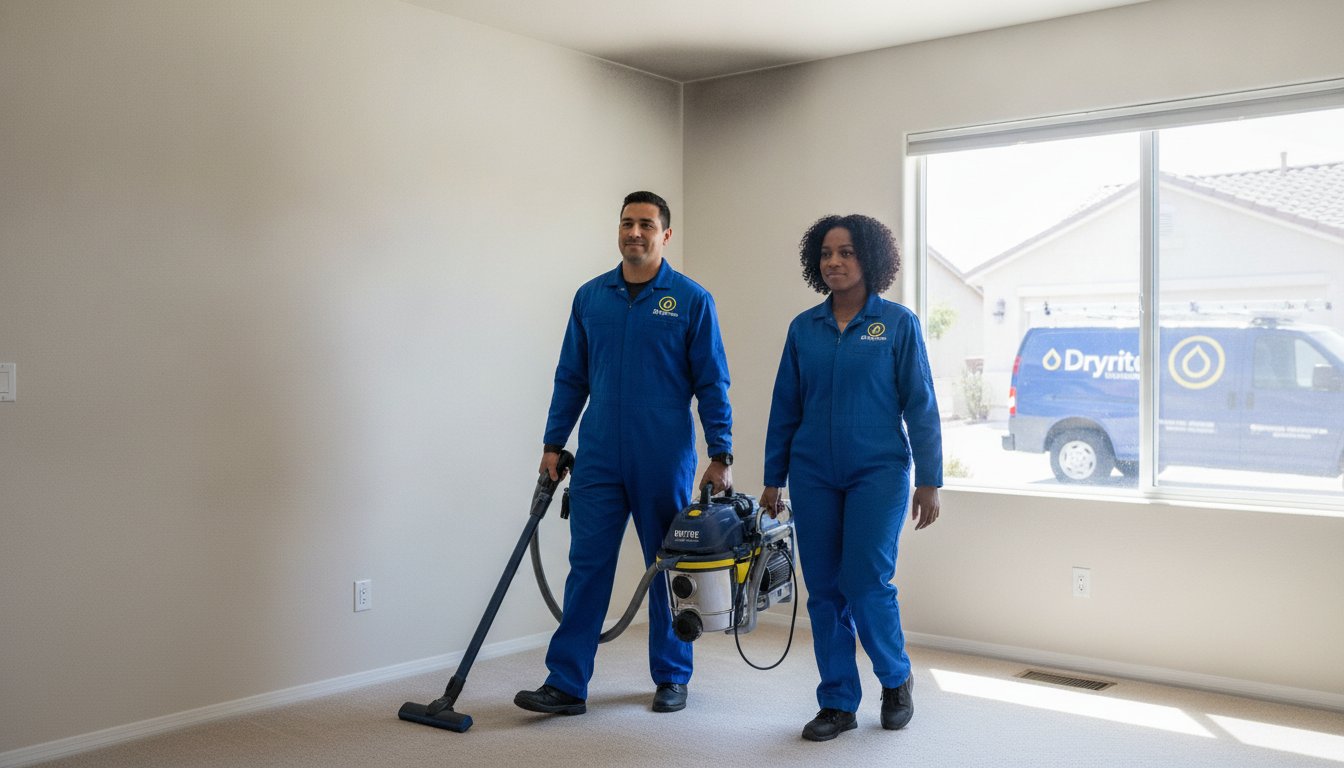
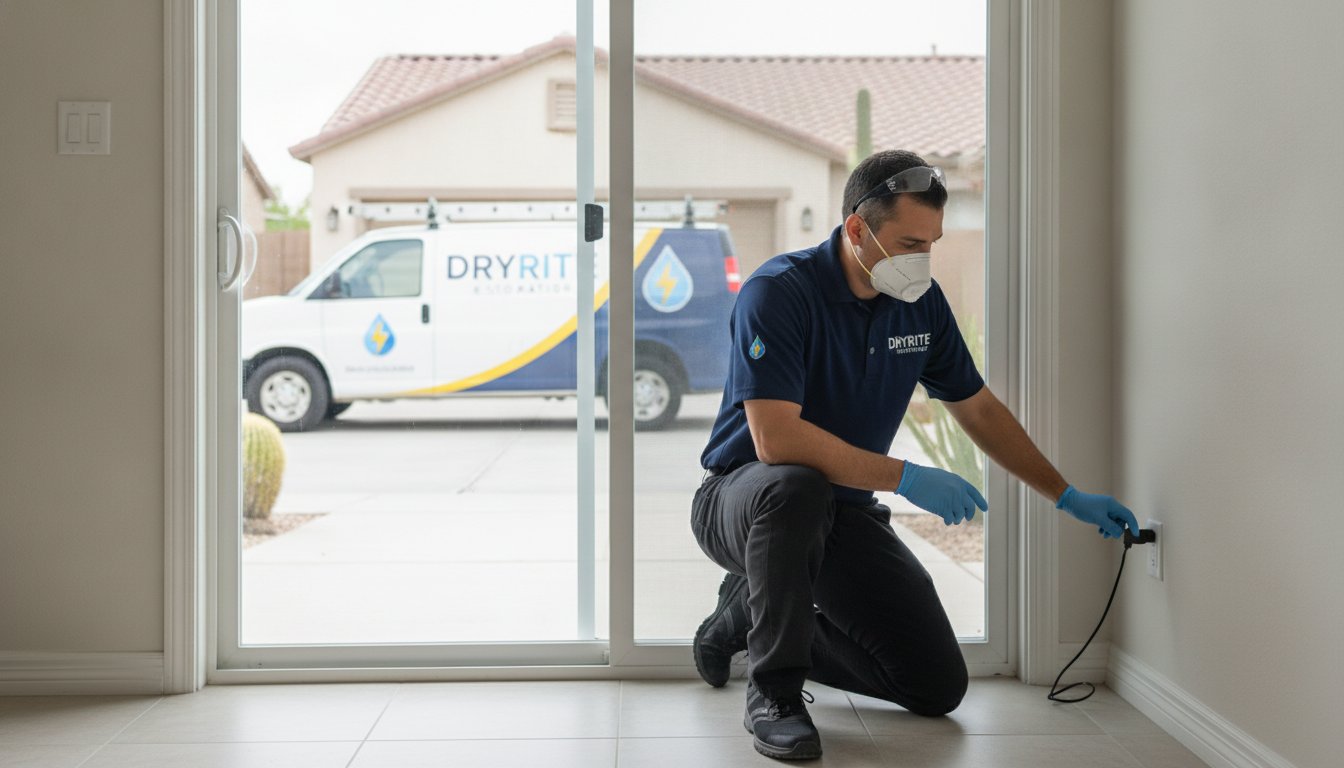
Professional abatement is a disciplined, high-stakes operation designed to return order to your property. It begins with a certified AHERA building inspector performing a comprehensive facility inspection. This step goes beyond visual identification; it involves laboratory testing to confirm the exact location and concentration of hazardous materials. Once the risk is mapped, we establish a containment zone using heavy-duty polyethylene sheeting. This physical barrier prevents cross-contamination, while high-efficiency particulate air (HEPA) scrubbers continuously clean the atmosphere throughout the project.
During the actual asbestos removal in old homes, we utilize the wet-removal method. By saturating the materials with a specialized amended water solution, we ensure that microscopic fibers remain heavy and never become airborne. After the physical removal is complete, we don’t just pack up and leave. We require an independent third party to perform final air clearance testing. This verification process certifies that the air quality meets strict safety standards, giving you the documented proof that your home is a safe environment again.
Step-by-Step: The Dryrite Restoration Approach to Safety
We establish a 3-stage decontamination chamber for every project. This ensures that technicians don’t track microscopic fibers from the work area into the clean parts of your home. Negative air pressure is a method that pulls air inward so no dust escapes the room. In Arizona, we manage the disposal process with strict adherence to asbestos removal regulations Arizona authorities enforce, including Maricopa County and ADEQ standards. Every cubic yard of hazardous waste is logged and transported to a licensed facility, ensuring your project remains compliant with federal and state law. Dryrite Restoration manages every phase internally to maintain total accountability.
Homeowner Logistics: Preparing Your Family
Most residential projects follow a timeline of 2 to 5 days, depending on the square footage and material type. You’ll need to secure your belongings and move any furniture out of the immediate work area before we arrive. We recommend packing essentials for your family as if you’re taking a short trip. Our team maintains clear communication protocols, providing daily updates to lower your stress and keep you informed. If you’ve discovered suspicious materials during a renovation, contact Dryrite Restoration for professional asbestos removal services to stabilize the situation immediately.
Restoring Peace of Mind: Why Local Expertise Matters in Mesa
Unexpected hazards often surface during property emergencies. A pipe burst in an older home does more than cause flooding; it can disturb legacy materials instantly. Dryrite Restoration provides 24/7 availability because these crises don’t wait for business hours. Navigating the specific requirements of the Maricopa County Air Quality Department and the ADEQ is a complex administrative burden. We act as a stabilizing force by handling the necessary notifications and compliance steps so you don’t face legal delays. This seamless transition from emergency stabilization to water damage restoration Mesa AZ ensures your property is safe and dry without the friction of managing multiple vendors.
Our role as an Experienced Protector means we prioritize your emotional well-being alongside physical repairs. asbestos removal in old homes is only half the battle; the goal is a fully restored, healthy living environment. Dryrite Restoration provides a 2-year warranty on mitigation work to give you long-term confidence in your home’s safety. By managing the entire process internally, we eliminate the communication gaps that lead to project fatigue and errors. We bring order to chaotic situations through disciplined execution and transparent reporting.
Beyond Removal: Full Reconstruction Services
Most abatement companies leave you with a gutted room and a list of other contractors to call. Dryrite Restoration offers full reconstruction services to bridge the gap between hazardous waste removal and a finished home. Hiring one specialized team for both removal and rebuilding prevents the communication gaps that often stall a renovation for weeks. We’re committed to returning your home to pre-loss condition or better. Our team also manages the complexities of insurance claims, coordinating directly with adjusters to verify the scope of work and ensuring your interests are protected throughout the recovery process.
The Dryrite Restoration Guarantee: From Chaos to Calm
Our 90-minute arrival promise for emergency assessments is a core trust signal for Mesa residents. Dryrite Restoration has served the local Arizona community for over 20 years, navigating every type of residential property challenge. This deep local experience allows us to act quickly and decisively when you’re in a state of panic. Our family-owned values drive us to treat your property with the same care we’d give our own. Don’t let a hazardous discovery paralyze your plans or threaten your family’s safety. Stabilize your home today with a professional assessment and let us bring tranquility back to your sanctuary.
Take Control of Your Home’s Safety and Value
Identifying hidden hazards is the first step toward a successful renovation. You now understand how to spot common carriers like 9×9 tiles and why permanent asbestos removal in old homes is the superior choice for long-term security. Leaving these materials to chance isn’t an option when your family’s health and your property’s equity are on the line. Our team of licensed and insured asbestos abatement specialists is ready to act as your experienced protector, bringing order to the uncertainty of older property ownership.
We provide a 90-minute emergency response across the Phoenix Metro area to stabilize your environment immediately. Our experts handle direct insurance billing and claims coordination to remove the administrative burden from your shoulders. Don’t let a discovery of hazardous materials stall your progress or create unnecessary stress. Get a Professional Asbestos Assessment and Restore Your Peace of Mind today. You deserve a home that’s a true sanctuary, free from invisible threats and ready for a bright, safe future.
Frequently Asked Questions
Can I remove asbestos from my old home myself in Arizona?
DIY removal is highly discouraged and often legally restricted due to the extreme health risks involved. While Arizona follows federal NESHAP standards, Maricopa County enforces additional local requirements that homeowners must navigate. Attempting to handle these materials without professional containment equipment leads to immediate fiber release and potential legal penalties for improper hazardous waste disposal. Review the asbestos removal regulations Arizona homeowners must follow to understand exactly what compliance requires before starting any project.
How long does a typical asbestos removal project take?
Most residential abatement projects require 2 to 5 days to complete. This window includes the initial setup of negative pressure containment, the meticulous wet-removal process, and the mandatory drying time before final testing. Large-scale asbestos removal in old homes or projects involving complex attic insulation may take longer to ensure every microscopic fiber is successfully captured and removed.
Will my homeowners insurance cover the cost of asbestos removal?
Insurance coverage typically applies only if the asbestos is disturbed by a sudden, covered peril like a pipe burst or fire. Standard policies usually exclude routine removal during a planned renovation or elective upgrade. It’s vital to review your specific policy language; we often coordinate directly with adjusters to verify if the abatement is part of a larger covered restoration claim.
What happens if asbestos is found during a kitchen or bathroom remodel?
Stop all work immediately and seal the room to prevent dust from traveling through your home’s ventilation. Discovering suspected ACMs mid-project is a crisis that requires a stabilizing force to prevent further contamination. We recommend calling a certified inspector to test the material before any more demolition occurs. Continuing to demo floor mastic or drywall mud can lead to an expensive whole-home decontamination process.
How can I tell if my popcorn ceiling contains asbestos?
The only definitive way to confirm the presence of asbestos is through professional laboratory testing. You can’t identify these fibers by sight, although any textured ceiling installed in Arizona before 1986 is considered high-risk. A certified building inspector will take a small, controlled sample and send it to a lab to verify the chrysotile content and determine if the material is friable.
Is it safe to stay in the house while asbestos is being removed?
It’s generally recommended that you vacate the property while active abatement is underway. Although professional teams use negative air machines to trap fibers, the noise and physical barriers of the containment zone make the home difficult to navigate. Staying elsewhere provides total peace of mind until an independent air clearance test proves the environment is completely restored and safe for your family.
What is the difference between an asbestos inspection and an air clearance test?
An inspection identifies the location and type of hazardous materials before the project begins. In contrast, an air clearance test is the final safety check performed after asbestos removal in old homes is finished. This final test uses specialized equipment to sample the air in the work zone; it ensures no microscopic fibers remain suspended in your breathing space before the containment barriers are removed.